
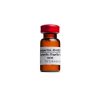
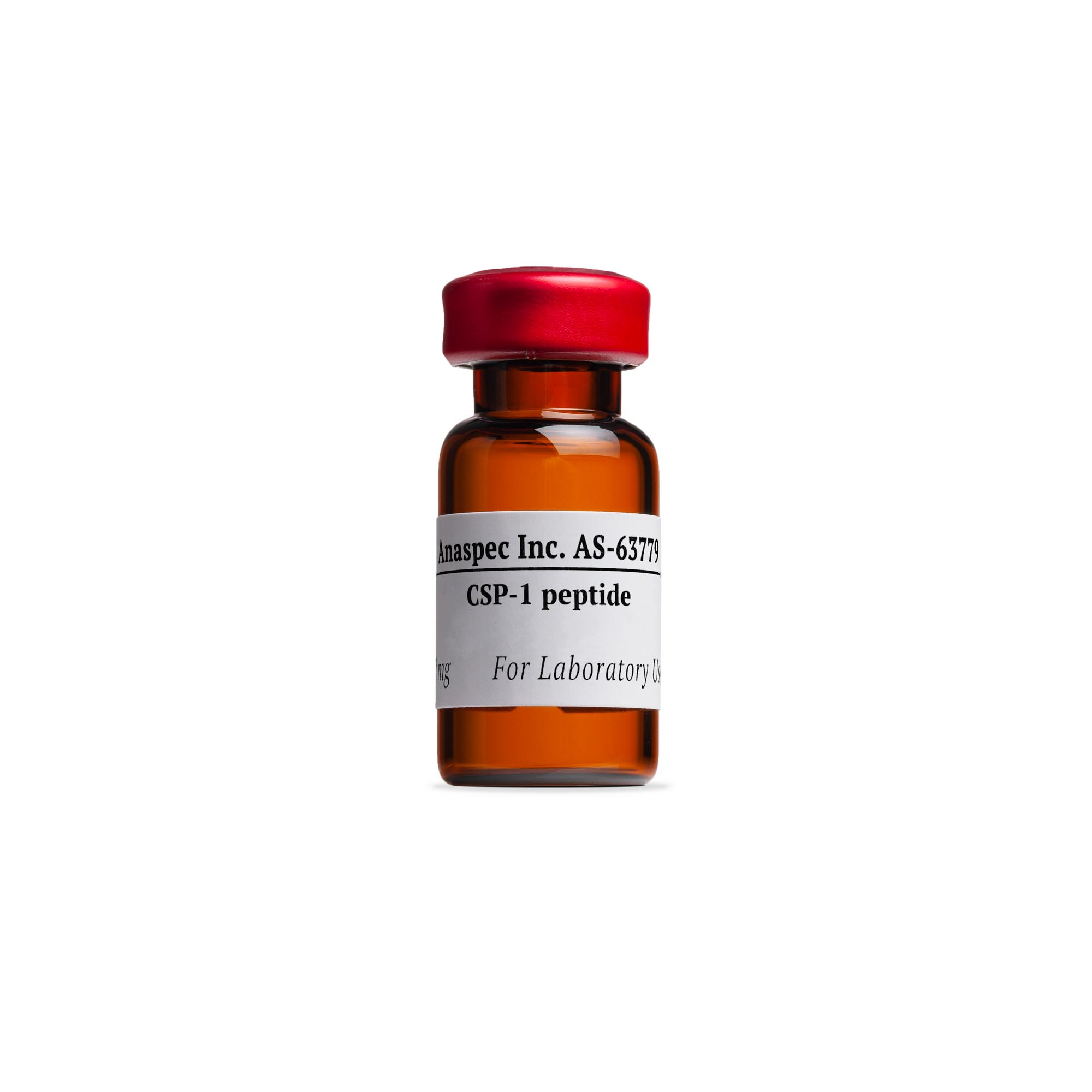
CSP-1, Competence-Stimulating Peptide-1 – 1 mg
$148.00
CSP-1, Competence-Stimulating Peptide, pheromone secreted by Streptococcus pneumoniae. CSP used in-vivo for intercellular communication.
Overview
CSP-1, or Competence-Stimulating Peptide-1, is a 17 amino acid pheromone secreted by Streptococcus pneumoniae. This unique peptide plays a crucial role in facilitating intercellular communication in in-vivo environments. By activating the ComABCDE signal transduction pathway, CSP-1 regulates natural genetic transformation, making it an essential tool in microbiological research and genetic studies.
The production of CSP-1 occurs as a precursor peptide that is ribosomally synthesized, resulting in a strain-specific mature pheromone. The variant produced by the S. pneumoniae Rx strain is closely related to the well-studied R6 strain. Given its specialized role in genetics and microbiology, CSP-1 offers exciting possibilities for those exploring bacterial competence and transformation.
Key Features
- 17 amino acid peptide that enables bacterial communication
- Activates the ComABCDE pathway for natural genetic transformation
- Strain-specific pheromone produced by S. pneumoniae
- Ideal for microbiological research and genetic studies
- Available in 1 mg quantities for versatile experimental applications
Specifications
| Property | Details |
|---|---|
| Name | CSP-1, Competence-Stimulating Peptide-1 |
| Source | Streptococcus pneumoniae |
| Amino Acids | 17 |
| Quantity | 1 mg |
FAQ
What are the applications of CSP-1?
CSP-1 is primarily used in research related to bacterial genetics, particularly for studies on competence and transformation in Streptococcus pneumoniae. It can help elucidate mechanisms of intercellular communication and genetic exchange.
How is CSP-1 synthesized?
This peptide is synthesized as a precursor in ribosomal processes and then undergoes modifications to form its mature, functional state. Each strain of S. pneumoniae produces a specific version of CSP-1, making it essential to select the appropriate strain for your research needs.
Can CSP-1 be used in other bacterial studies?
While CSP-1 is specific to S. pneumoniaestudying its mechanisms can provide insights applicable to other bacterial species, especially those that utilize similar competence pathways.
For more related products, explore our other options in peptides and discover how they can enhance your research.
Related Products
Be the first to review “CSP-1, Competence-Stimulating Peptide-1 – 1 mg”
Related products
Peptides
Peptides
Peptides
Reviews
There are no reviews yet.