
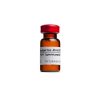
Fibrinolysis Inhibiting Factor – 5 mg
$140.00
Fibrinolysis Inhibiting Factor peptide mimics the N terminus of the alpha-chain of fibrin. It binds to the 'a' polymerization pocket in the alpha-chain.
Overview
The Fibrinolysis Inhibiting Factor peptide is a specialized product that mimics the N terminus of the alpha-chain of fibrin. This unique peptide binds more effectively to the ‘a’ polymerization pocket in the alpha-chain than its native sequence counterpart GPRV. As a result, it plays a vital role in enhancing resistance to degradation by plasmin, which is a key factor in fibrinolysis. By adding excess peptide, you can significantly depress the polymerization reaction, making this peptide a valuable tool for researchers studying fibrin assembly and factor XIIIa reaction acceleration.
Key Features
- High affinity binding to the alpha-chain of fibrin
- Mimics the N terminus of fibrin for effective interaction
- Enhances resistance to plasmin degradation
- Depresses polymerization reaction upon excess peptide addition
- Useful for studies related to fibrin assembly and factor XIIIa
Specifications
| Product Name | Weight | Category |
|---|---|---|
| Fibrinolysis Inhibiting Factor | 5 mg | Peptides |
FAQ
What is the primary use of the Fibrinolysis Inhibiting Factor peptide?
This peptide is primarily used in research related to fibrinolysis, particularly in studies focusing on the interactions between fibrin and plasmin.
How does this peptide affect fibrin assembly?
The Fibrinolysis Inhibiting Factor peptide binds tightly to the alpha-chain of fibrin, preventing fibrin assembly and enhancing resistance to degradation by plasmin.
Can I combine this peptide with other substrates?
Yes, combining the Fibrinolysis Inhibiting Factor peptide with our PKG Substrate can yield valuable insights into fibrin-related reactions.
Explore more about how our peptides can enhance your research. For comprehensive studies on related mechanisms, consider checking Autocamtide-2 and CREBtide. With the right tools, you can make significant strides in your research.
Related Products
Browse more in Peptides.
Be the first to review “Fibrinolysis Inhibiting Factor – 5 mg”
Related products
Peptides
Peptides
Peptides
Reviews
There are no reviews yet.