
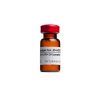
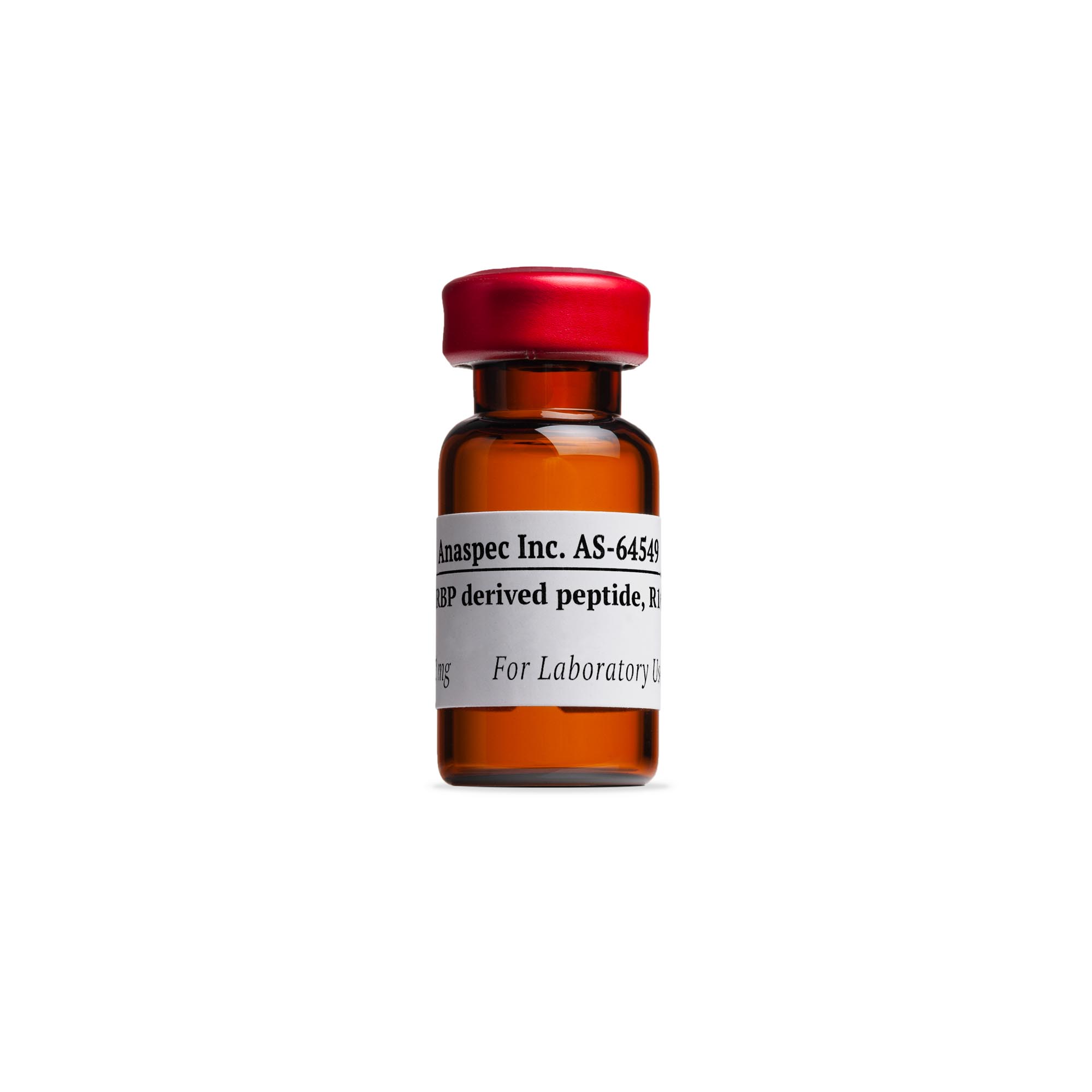
IRBP derived peptide, R16 – 1 mg
$122.00
IRBP (Interphotoreceptor retinoid binding protein) .derived peptide, R16. Photoreceptor cell protein is capable of inducing an EAU.
Overview
The IRBP derived peptide, R16, is a critical component for researchers focusing on the interaction between photoreceptor cells and autoimmune responses. This peptide, originating from the Interphotoreceptor Retinoid Binding Protein (IRBP), is specifically designed for inducing experimental autoimmune uveitis (EAU) in susceptible animal models. It offers an effective way to study EAU mechanisms, contributing to advancements in ocular research.
Key Features
- Derived from the IRBP, facilitating targeted research.
- Induces EAU, making it ideal for studying autoimmune uveitis.
- Available in a convenient 1 mg package for ease of use.
- Perfect for laboratory experiments and therapeutic assessments.
- Supports understanding of photoreceptor cell functions and related diseases.
Specifications
| Property | Details |
|---|---|
| Peptide Name | R16 |
| Source | IRBP |
| Weight | 1 mg |
FAQ
What are the primary applications of R16?
R16 is primarily used in research studies related to autoimmune conditions, specifically for inducing EAU in animal models to investigate underlying mechanisms of uveitis.
How should R16 be stored?
For optimal stability and efficacy, R16 should be stored at -20°C. Proper storage conditions help maintain the integrity and performance of the peptide.
Can R16 be used in combination with other assays?
Yes, R16 can be effectively combined with various assays tailored for peptide analysis. For instance, consider our PKG Substrate for more comprehensive studies.
If you’re exploring advanced research applications, including pathophysiological studies, R16 offers a direct approach to investigate the dynamics of photoreceptor cell proteins. It’s part of a wider selection of peptides available at AnaSpec, tailored to meet diverse research needs. Investing in R16 means equipping your lab with a reliable tool to elucidate complex biological processes. Shop now to advance your research with precision.
Related Products
Be the first to review “IRBP derived peptide, R16 – 1 mg”
Related products
Peptides
Reviews
There are no reviews yet.