
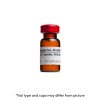
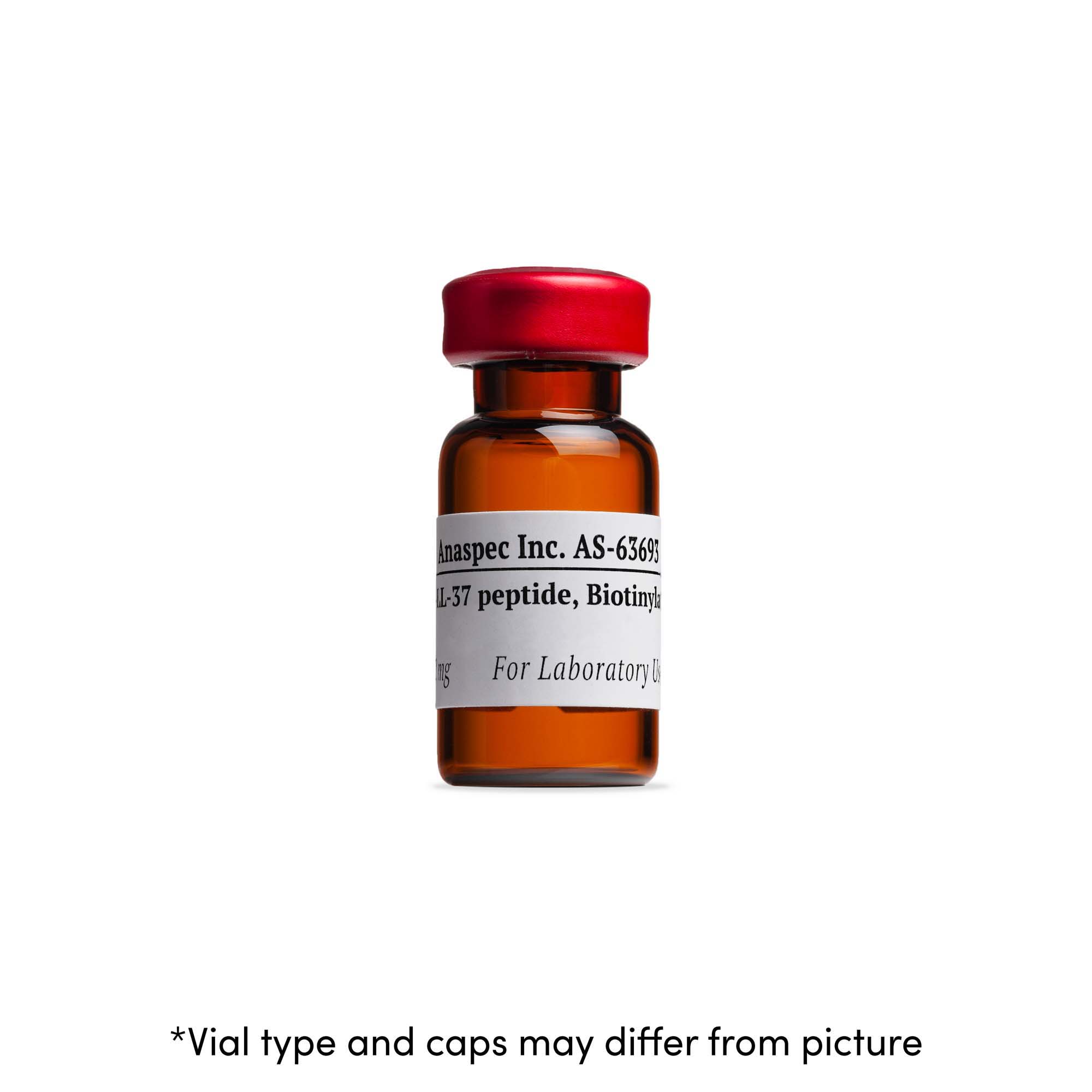
LC-LL-37, biotinylated – 0.5 mg
$401.00
LC-LL-37, biotinylated, Antimicrobial peptide belongs to cathelicidin family, plays role in the first line of defense (innate immunity) against infection.
Overview
The LC-LL-37 biotinylated peptide is a key player in innate immunity, belonging to the cathelicidin family of antimicrobial peptides. Found in humans, it’s the first amphipathic alpha-helical peptide isolated from our bodies. This peptide is crucial for defending against local infections and systemic pathogen invasions, especially during times of inflammation and in wound healing. With its biotinylation, LC-LL-37 enhances its utility in various laboratory applications, making it an essential reagent for your research needs.
Key Features
- Biotinylated for easy detection and labeling
- Plays a vital role in innate immune response
- Helps combat infections and aids in wound healing
- Ideal for a variety of research applications
- Available in a 0.5 mg quantity
Specifications
| Attribute | Details |
|---|---|
| Name | LC-LL-37, biotinylated |
| Category | Peptides |
| Weight | 0.5 mg |
| Function | Antimicrobial |
| Biotinylation | Yes |
FAQ
What is the role of LC-LL-37 in immunity?
LC-LL-37 is an antimicrobial peptide that contributes significantly to the body’s first line of defense against infections. It is particularly active at sites of inflammation and wounds, helping to prevent pathogen invasion.
How can I use biotinylated peptides in my research?
Biotinylated peptides like LC-LL-37 can be used in various applications, including assays for protein detection and interaction studies. Their labeling facilitates the use of streptavidin-based detection methods, enhancing visual identification.
Is LC-LL-37 effective against all pathogens?
While LC-LL-37 is effective against a range of bacteria and fungi, its effectiveness can vary depending on the specific pathogen and context. It is essential to evaluate its performance in your specific research scenario.
Explore more peptide options in our extensive range of peptidesor check out the PKG Substrate for additional biochemistry needs.
Related Products
Be the first to review “LC-LL-37, biotinylated – 0.5 mg”
Related products
Peptides
Peptides
Peptides
Peptides
Reviews
There are no reviews yet.