
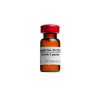
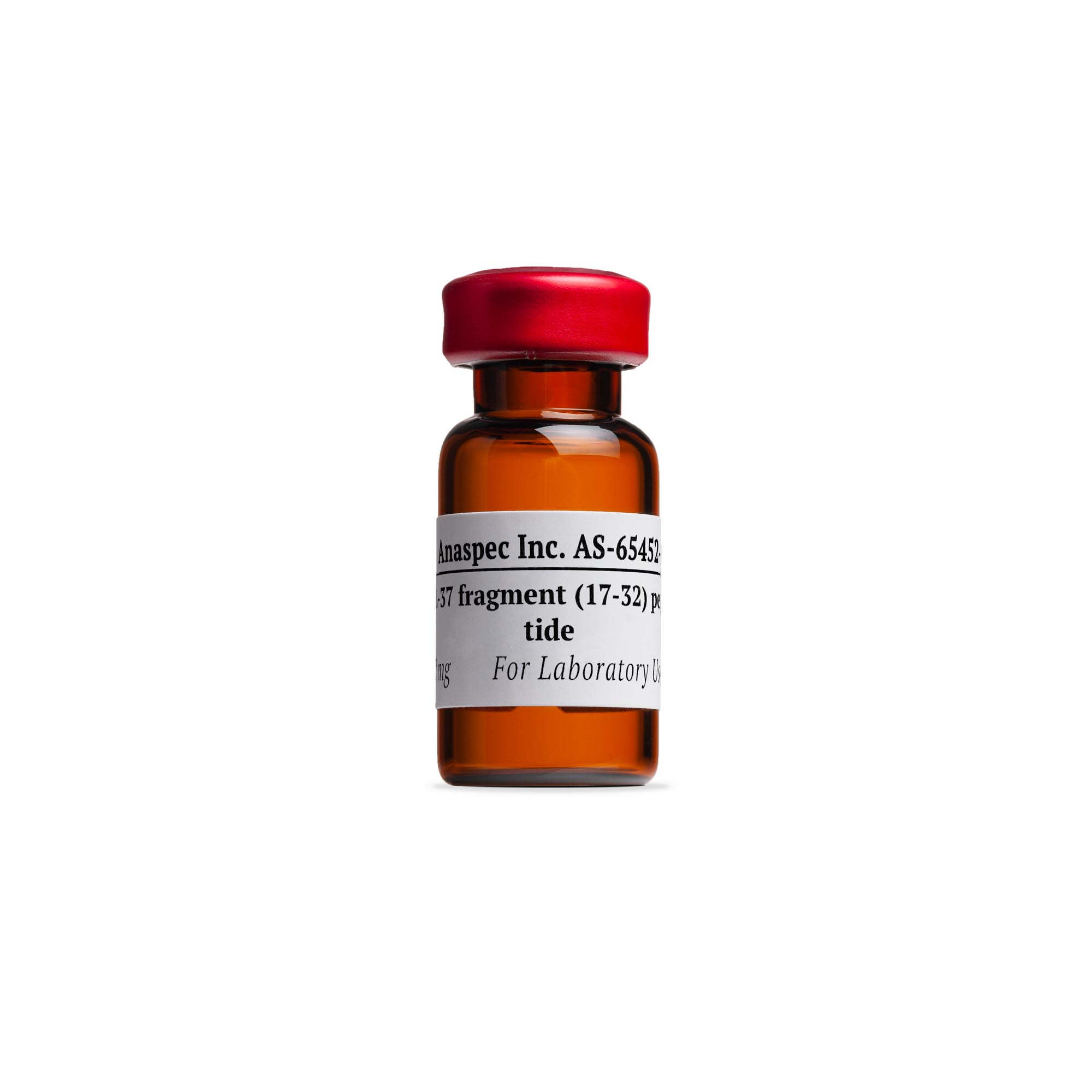
LL-37 fragment (17-32)
Price range: $105.00 through $217.00
LL-37 fragment (17-32), peptide derived from the C-terminal domain of human cathelicidin antimicrobial peptide.
Overview
The LL-37 fragment (17-32) is a significant peptide that is derived from the C-terminal region of the human cathelicidin antimicrobial peptide. This active segment has shown promising results in scientific research, particularly in combating multidrug resistance in cancer cell lines, where it has exhibited a reversal effect on ABCG2-mediated resistance. As you explore the potential of this peptide, you will find it an invaluable tool in both research and therapeutic applications.
Key Features
- Active peptide segment of LL-37
- Derived from human cathelicidin antimicrobial peptide
- Reverses multidrug resistance in cancer cell lines
Specifications
| Property | Value |
|---|---|
| Peptide Sequence | LL-37 fragment (17-32) |
| Origin | Human |
| Applications | Cancer research, antimicrobial studies |
FAQ
What are the applications of the LL-37 fragment?
The LL-37 fragment can be applied in various fields, particularly in cancer research and antimicrobial studies. Its capacity to reverse drug resistance makes it a valuable asset for researchers.
How is the LL-37 fragment stored?
For optimal stability, it is recommended to store the LL-37 fragment in a cool, dry place, preferably at temperatures between -20°C to -80°C, avoiding repeated freeze-thaw cycles.
Can I use the LL-37 fragment in conjunction with other peptides?
Yes, the LL-37 fragment can be used alongside other peptides, enhancing your research’s breadth. Explore our range of other peptides for complementary applications, such as Autocamtide-2 and CREBtide.
When you choose the LL-37 fragment (17-32), you are selecting a peptide that holds great therapeutic potential. Shop now to enhance your research toolkit and tackle the challenges of multidrug resistance effectively.
Related Products
Browse more in Peptides.
| Size | 1 mg, 5 mg |
|---|
Be the first to review “LL-37 fragment (17-32)”
Related products
Peptides
Peptides
Reviews
There are no reviews yet.