
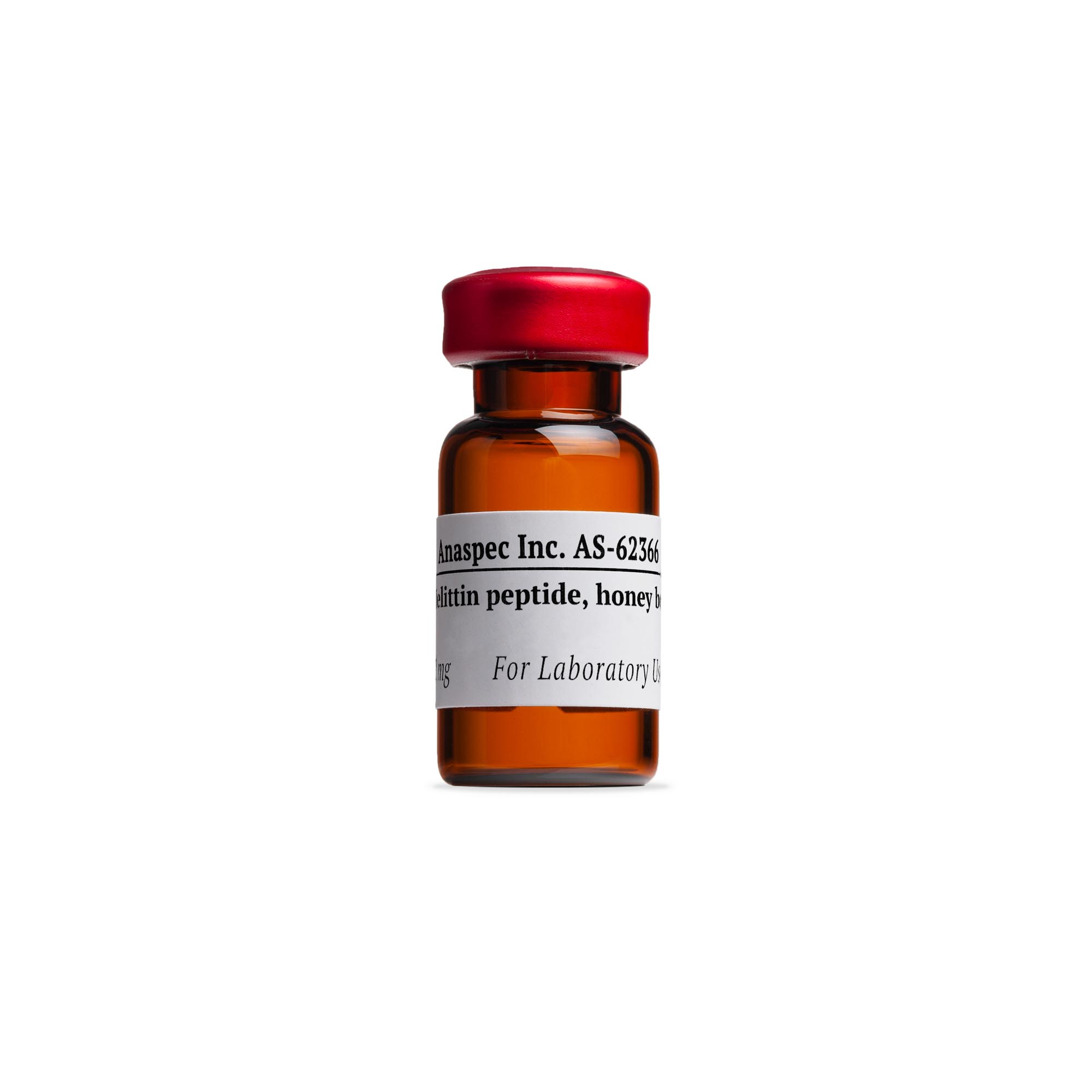
Melittin, honey bee – 1 mg
$244.00
Melittin, a 26-residue ,honey bee venom peptide, this peptide is an anti-inflammatory agent, it inhibits the lyme disease spirochete.
Overview
Melittin is a powerful 26-residue peptide derived from honey bee venom, well-known for its anti-inflammatory properties and effectiveness against spirochetes, including the Lyme disease bacterium. This peptide has been the subject of extensive research due to its unique ability to induce murine antibodies and trigger specific T-cell responses. If you’re looking for a reliable peptide that can help you explore immunological responses, Melittin is the ideal choice.
Key Features
- Composed of 26 amino acids
- Anti-inflammatory properties
- Inhibits Lyme disease spirochete
- Induces murine antibodies
- Promotes specific T-cell responses
Specifications
| Property | Details |
|---|---|
| Peptide Source | Honey Bee Venom |
| Amino Acid Length | 26 residues |
| Form | Lyophilized powder |
| Quantity | 1 mg |
FAQ
What are the applications of Melittin?
Melittin is widely used in biochemical research, particularly in studies focused on inflammation and immune responses. Its ability to inhibit the Lyme disease spirochete makes it a significant subject for therapeutic research.
How should I store Melittin?
For best results, store Melittin in a cool, dry place away from direct sunlight. Once reconstituted, the peptide should be kept at -20°C to maintain its stability.
Can Melittin be used in vivo?
Yes, Melittin has been used in various in vivo studies, particularly in mouse models, to investigate its immunological effects and potential therapeutic benefits. Always consult relevant literature for specific dosing and application guidelines.
If you’re looking for a potent peptide that can aid your research into inflammation and immune responses, consider adding Melittin to your lab’s repertoire. Explore our full range of peptides and discover other valuable tools like PKG Substrate and Autocamtide-2. Invest in Melittin today and advance your research with this significant peptide.
Related Products
Be the first to review “Melittin, honey bee – 1 mg”
Related products
Peptides
Peptides
Peptides
Reviews
There are no reviews yet.