
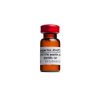
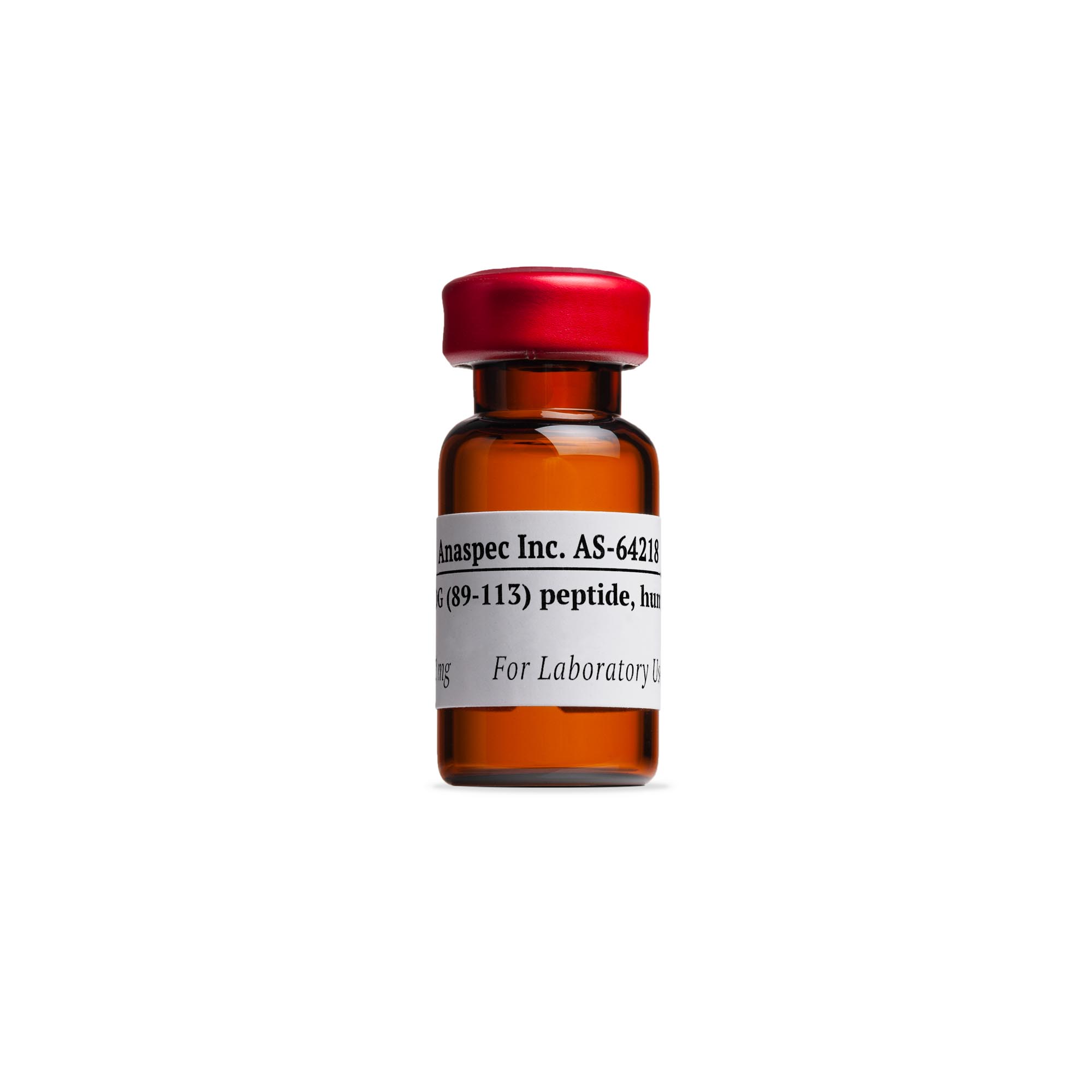
MOG (89-113), human – 1 mg
$267.00
MOG (89-113), (Myelin Oligodendrocyte Glycoprotein). This is an HLA-DR2 restricted MOG epitope.
Overview
Our MOG (89-113) peptide, derived from human Myelin Oligodendrocyte Glycoprotein, is a powerful tool for researchers exploring the immune system and neurobiology. This peptide specifically represents an HLA-DR2 restricted epitope, making it essential for studies related to multiple sclerosis and other neurological disorders. Researchers can trust that our MOG (89-113) peptide meets the highest standards for experimental integrity and reliability.
Key Features
- High purity and quality to ensure accurate experimental results.
- Specificity to HLA-DR2 for targeted research applications.
- Formulation tailored for diverse assay methods.
- 1 mg unit size, suitable for a variety of research needs.
- Compatible with our other peptide solutions, enhancing experimental versatility.
Specifications
| Product Name | MOG (89-113), human |
|---|---|
| Category | Peptides |
| Size | 1 mg |
| Target | Myelin Oligodendrocyte Glycoprotein |
| Sequence | 89-113 residues |
| Epitope | HLA-DR2 restricted |
FAQ
What is the significance of the MOG (89-113) peptide?
The MOG (89-113) peptide is critical for studies investigating autoimmune responses, particularly in diseases like multiple sclerosis. Its HLA-DR2 restriction helps identify specific immune mechanisms.
How should I store this peptide?
For optimal performance, store the MOG (89-113) peptide at -20°C, and protect it from light and moisture. Proper storage ensures its stability and effectiveness during your experiments.
Can I use this peptide in various assay formats?
Yes, the MOG (89-113) peptide is compatible with a range of assays. Its formulation is designed to work well in both in vitro and in vivo applications, making it versatile for your research needs.
Explore other peptide options, including our PKG substrate and Autocamtide-2. Make your research more comprehensive with our complete range of peptides designed for various applications. Order your MOG (89-113) peptide today and enhance your research potential.
Related Products
Be the first to review “MOG (89-113), human – 1 mg”
Related products
Peptides
Peptides
Reviews
There are no reviews yet.