
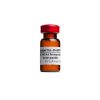
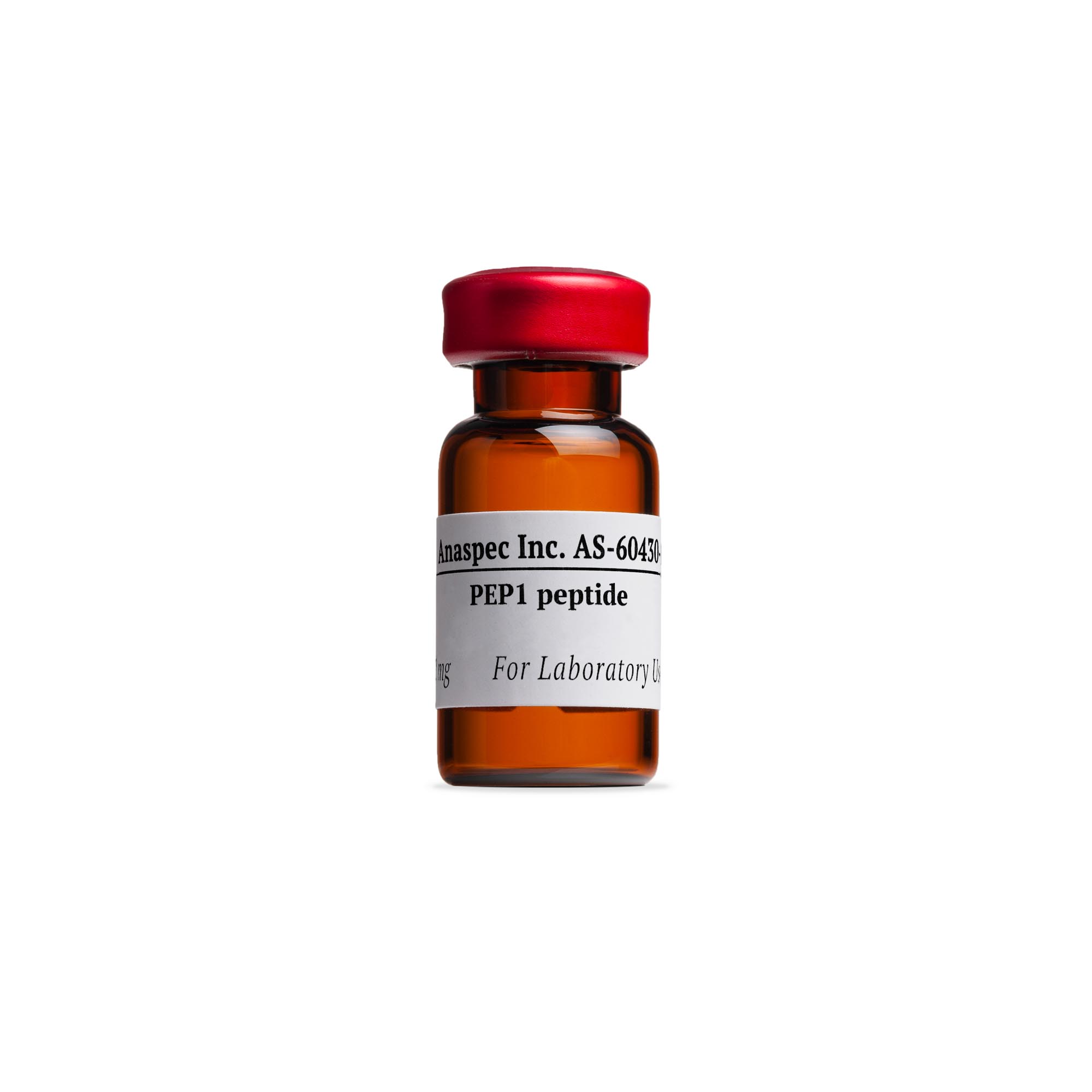
PEP1 – 1 mg
$394.00
PEP1 synthetic peptide mimics wild-type AH (amphipathic helix) and inhibits membrane association of NS5A, hence impairing HCV replication.
Overview
PEP1 is a synthetic peptide designed to mimic the wild-type amphipathic helix (AH), specifically targeting the NS5A protein associated with Hepatitis C Virus (HCV) replication. This unique peptide effectively inhibits the membrane association of NS5A, thereby playing a crucial role in limiting the replication of the virus. For researchers looking to explore the mechanisms of HCV inhibition or develop new therapeutic approaches, PEP1 is an invaluable tool.
Key Features
- Mimics wild-type amphipathic helix (AH)
- Inhibits membrane association of NS5A
- Impair HCV replication, providing a critical research avenue
- High-quality synthetic peptide available in 1 mg units
- Ideal for various laboratory applications and assays
Specifications
| Property | Value |
|---|---|
| Product Name | PEP1 |
| Type | Synthetic Peptide |
| Quantity | 1 mg |
FAQ
How does PEP1 work against NS5A?
PEP1 mimics the wild-type amphipathic helix and disrupts the normal membrane association of NS5A, crucial for HCV replication. This inhibition can be vital in research aimed at understanding HCV biology and developing antiviral strategies.
What applications can I use PEP1 for?
This peptide is designed for laboratory use, especially in experiments focusing on HCV and related assays. It can be employed in studies investigating protein interactions and functions, as well as in developing new therapeutic strategies against viral infections.
Is PEP1 suitable for in vivo studies?
PEP1 is primarily designed for in vitro studies, making it an excellent choice for cellular assays and molecular biology applications. Its effectiveness in vivo may require further validation depending on your research goals.
When you need high-quality peptides for your research, PEP1 synthetic peptide is available now. Make sure to explore other options like our PKG Substrate or our range of peptides that can complement your research effectively. Invest in PEP1 today to advance your studies on HCV inhibition.
Related Products
Be the first to review “PEP1 – 1 mg”
Related products
Peptides
Peptides
Peptides
Peptides
Reviews
There are no reviews yet.