
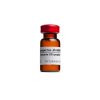
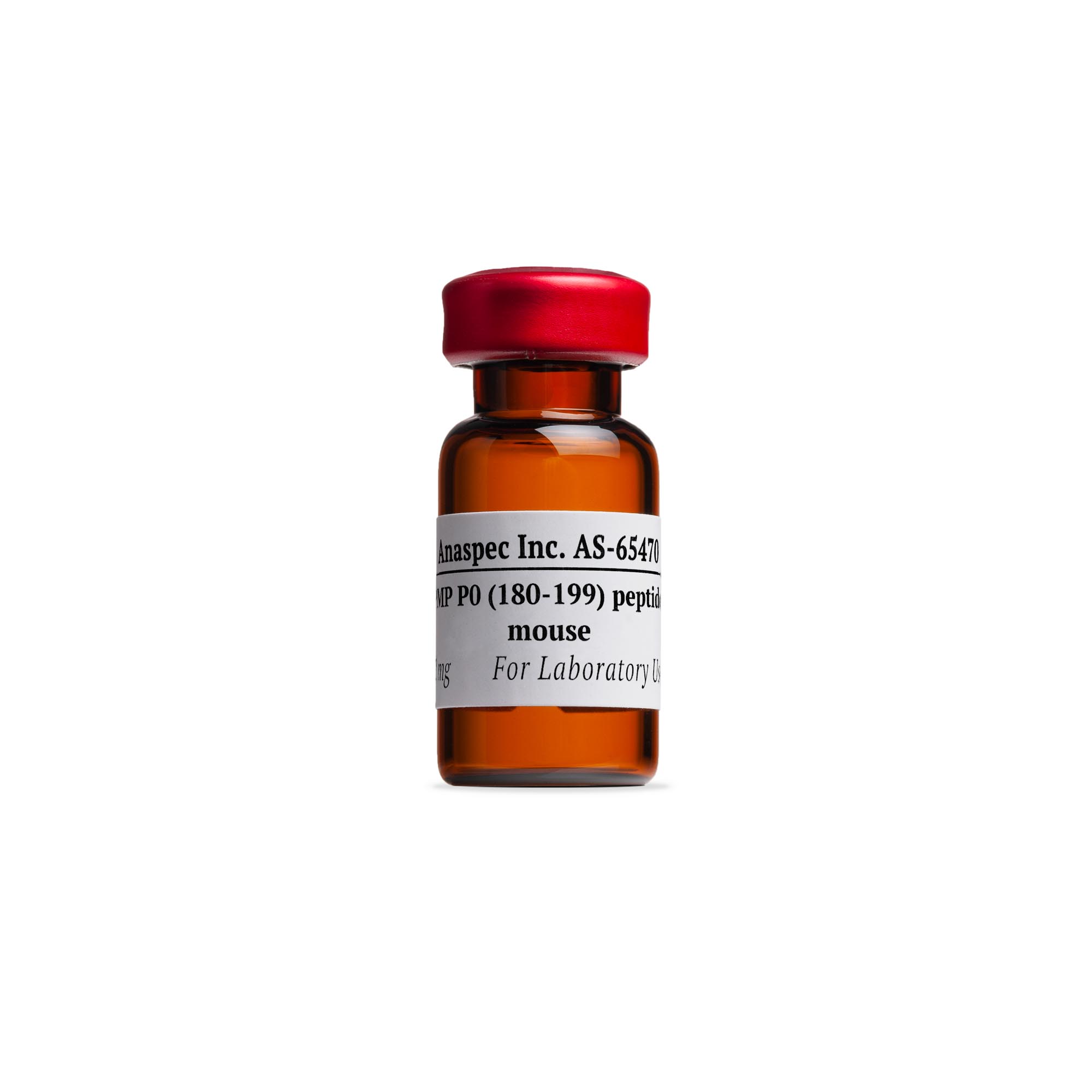
Peripheral Myelin Protein P0 (180-199), mouse – 1 mg
$227.00
Peripheral Myelin Protein P0 (180-199), mouse. It is neuritogenic, inducing experimental autoimmune neuritis (EAN) in murine.
Overview
The Peripheral Myelin Protein P0 (180-199), derived from mouse, is a key peptide in neurobiological research. This peptide plays a significant role in inducing neuritogenesis, which is vital for understanding various neurological conditions. Specifically, it induces experimental autoimmune neuritis (EAN) in murine models, providing a valuable tool for scientists exploring myelin-related disorders. If you’re looking to enhance your research with precise and effective assays, consider integrating this peptide into your experiments.
Key Features
- Contributes to neuritogenic activity
- Induces experimental autoimmune neuritis (EAN) in murine
- High-quality peptide suitable for research and diagnostic applications
- 1 mg concentration, ideal for various experimental setups
- Backed by rigorous quality control standards
Specifications
| Product Name | Peripheral Myelin Protein P0 (180-199), mouse |
| Category | Peptides |
| Concentration | 1 mg |
FAQ
What is the function of Peripheral Myelin Protein P0 (180-199)?
This peptide is known for its ability to induce neuritogenesis, making it an essential component in studies related to myelin and nerve regeneration.
How is this peptide utilized in research?
Researchers use this peptide to model and study autoimmune neuritis in murine systems. Its effectiveness in experimental setups allows for deeper insights into myelin-related diseases.
Can this peptide be used in other assays?
Yes, the Peripheral Myelin Protein P0 (180-199) can be incorporated into various assays focused on neurological responses, making it a versatile addition to your research toolkit.
For further exploration of our range of peptides, check out our peptides catalog. If you’re also interested in substrates for biochemical assays, consider our PKG Substrate RKRSRAE for comprehensive experimental needs.
Related Products
Be the first to review “Peripheral Myelin Protein P0 (180-199), mouse – 1 mg”
Related products
Peptides
Reviews
There are no reviews yet.