
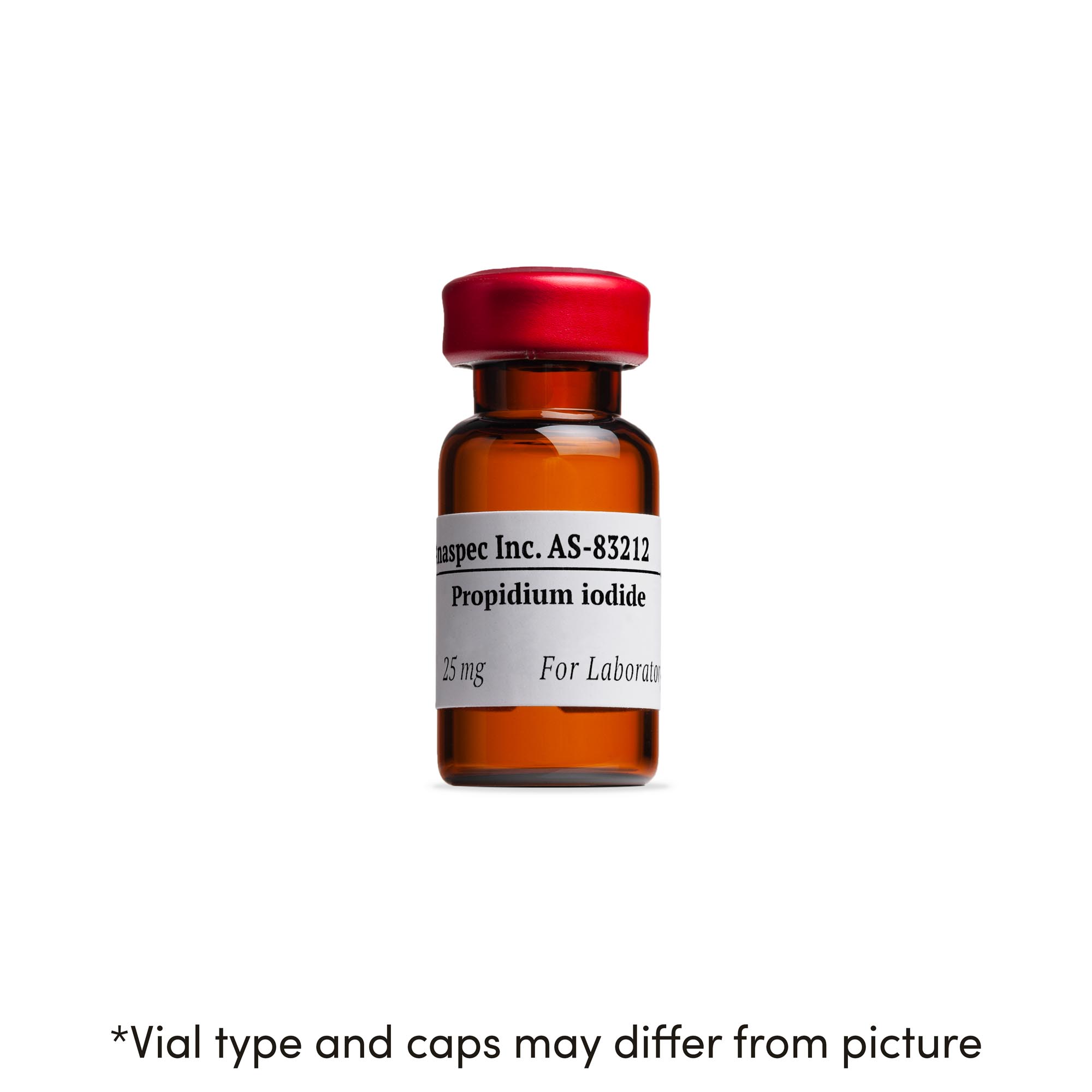
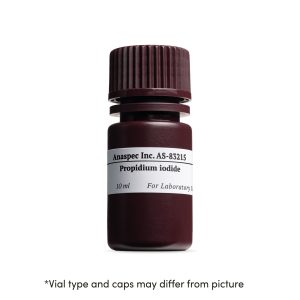
Propidium iodide – 25 mg
$98.00
Propidium iodide. Used as a nuclear or chromosome counterstain
Overview
Propidium iodide is a vital tool in cellular biology, primarily used as a nuclear or chromosome counterstain. Its ability to selectively stain dead cells makes it an indispensable reagent in various research applications. Whether you’re conducting apoptosis studies or examining cell proliferation, this compound provides reliable and reproducible results.
Key Features
- High specificity for nucleic acids
- Ideal for dead cell exclusion assays
- Compatible with a wide range of fluorescence microscopy techniques
- Available in multiple concentrations for versatile applications
- Optimize your assays with consistent performance
Specifications
| Product | Concentration | Volume |
|---|---|---|
| Propidium iodide | 25 mg | Available upon request |
FAQ
What is the primary use of propidium iodide?
Propidium iodide is primarily used as a nuclear counterstain in fluorescence microscopy, helping identify dead cells in various assays.
Can propidium iodide be used in live cell imaging?
No, propidium iodide cannot be used for live cell imaging since it can only penetrate dead or damaged cells.
How does propidium iodide compare to other fluorescent dyes?
Unlike many other fluorescent dyes, propidium iodide is specific for nucleic acids and provides a distinct orange fluorescence, commonly used in conjunction with other dyes for multi-staining applications.
When working on your next experiment, consider pairing propidium iodide with our dihydroethidium for enhanced dead cell detection. For those needing a solution, we also offer a 1.0 mg/mL solution in water that simplifies your lab workflow. Explore our orange labeling and detection products for complementary solutions tailored to your research needs.
Related Products
Be the first to review “Propidium iodide – 25 mg”
Related products
Green (500 -550 nm)
Green (500 -550 nm)
Orange (565-620 nm)
Reviews
There are no reviews yet.