
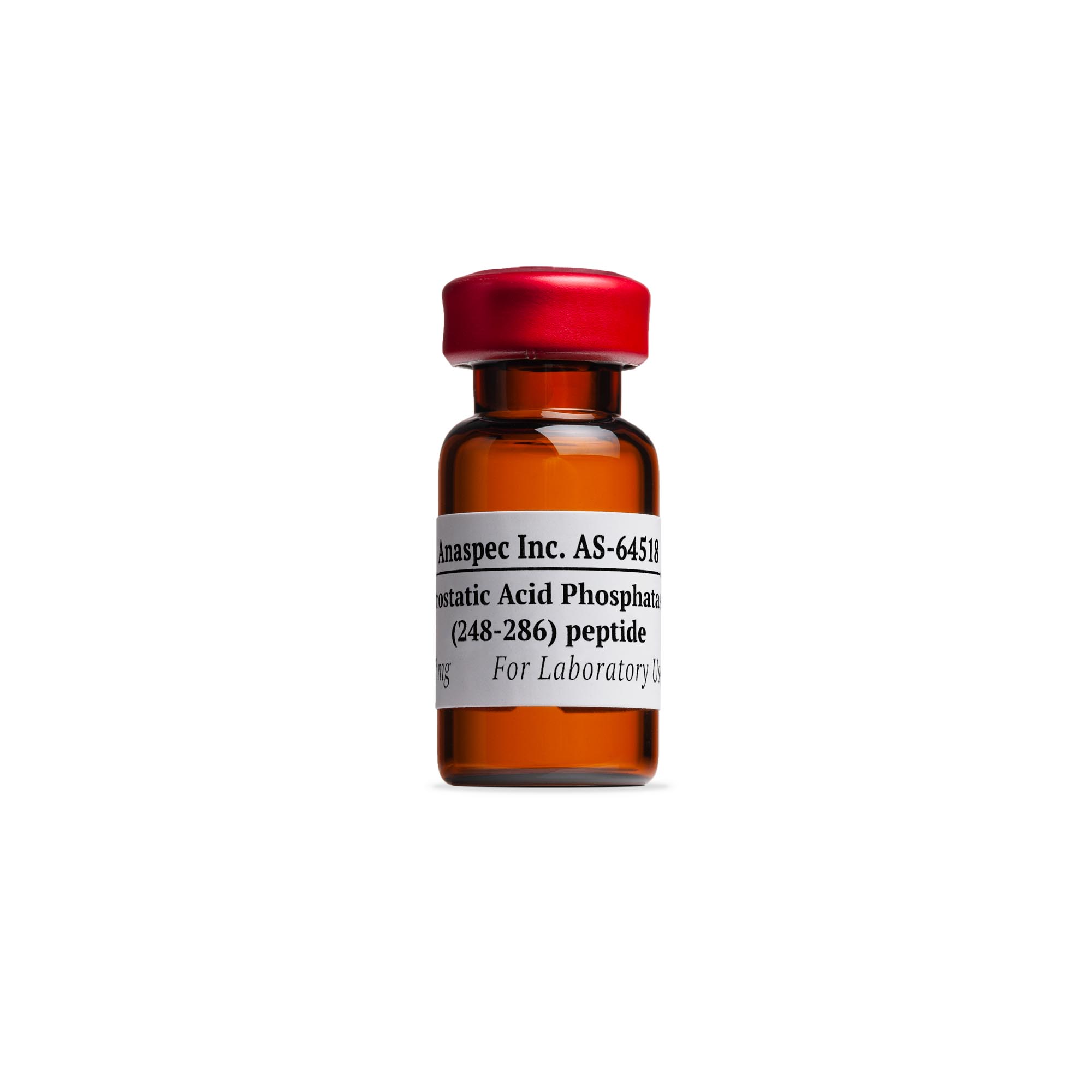
Prostatic Acid Phosphatase (248-286), PAP (248-286) – 1 mg
$446.00
Prostatic Acid Phosphatase (248-286), PAP (248-286) is semen-derived enhancer of viral infection (SEVI) factor found in semen.
Overview
Prostatic Acid Phosphatase (248-286), also known as PAP (248-286), is a peptide that plays a critical role in enhancing viral infections, particularly HIV. Derived from semen, this peptide acts as a semen-derived enhancer of viral infection (SEVI), significantly increasing the capability of HIV to attach to and infect target cells. Researchers are increasingly focusing on this peptide due to its implications in viral pathology and therapeutic avenues.
Key Features
- Derived from semen, contributing to HIV virion attachment enhancement.
- Contains 1 mg of high-quality peptide for reliable research use.
- Useful for studying mechanisms of viral infections and potential treatment pathways.
- Available for purchase through our catalog of peptides, ensuring easy access to essential research materials.
Specifications
| Property | Details |
|---|---|
| Product Name | Prostatic Acid Phosphatase (248-286), PAP (248-286) |
| Concentration | 1 mg |
| Category | Peptides |
FAQ
What is the significance of Prostatic Acid Phosphatase (248-286)?
This peptide is significant because it enhances HIV infection by facilitating better attachment of the virus to its target cells. Understanding its function can help in the development of treatments against HIV.
How can I use PAP (248-286) in my research?
You can incorporate PAP (248-286) into experiments aimed at studying viral infections, particularly those involving HIV. It can be used to investigate mechanisms of action and potential therapeutic targets.
Is this peptide suitable for in vitro studies?
Yes, Prostatic Acid Phosphatase (248-286) is highly suitable for in vitro studies focused on viral attachment and infection processes. Ensure proper handling and usage as directed in your research protocols.
Explore more of our peptide offerings, including related products like the PKG Substrate and Autocamtide-2to enhance your research further.
Related Products
Browse more in Peptides.
Be the first to review “Prostatic Acid Phosphatase (248-286), PAP (248-286) – 1 mg”
Related products
Peptides
Peptides
Peptides
Peptides
Reviews
There are no reviews yet.