
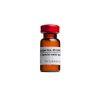
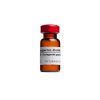
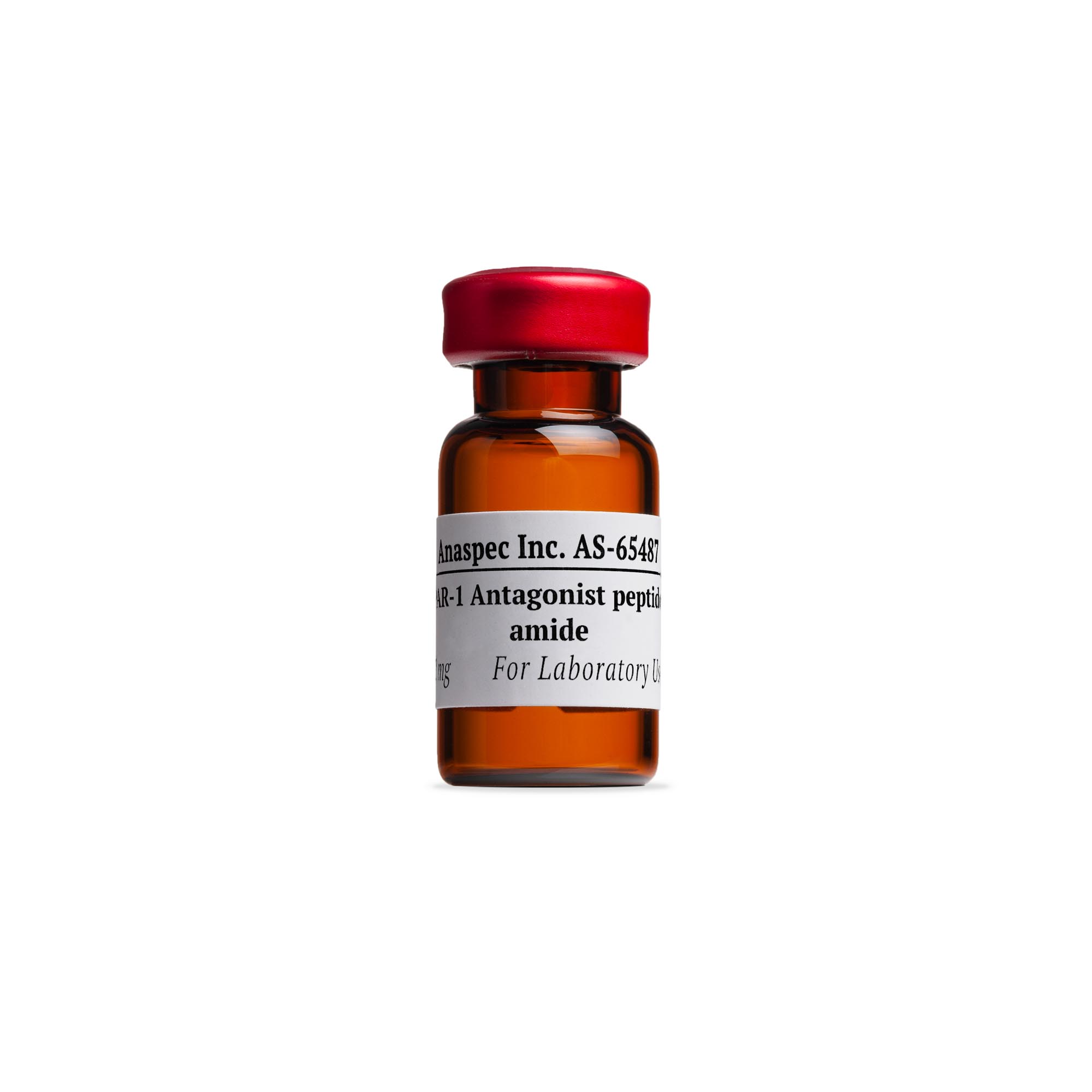
Protease-Activated Receptor-1, PAR-1 Antagonist 2, amide – 1 mg
$259.00
Protease-Activated Receptor-1, PAR-1 Antagonist 2, amide. Antagonists specific for the thrombin receptor are compounds for treatment of thrombosis.
Overview
The Protease-Activated Receptor-1, PAR-1 Antagonist 2, amide is a powerful tool for researchers studying thrombin receptor interactions. This peptide antagonist plays a significant role in inhibiting platelet aggregation induced by SFLLRNP, boasting an IC50 of 115 µM. The ability of PAR-1 antagonists to block thrombin receptor signaling makes them promising candidates for developing therapies aimed at treating thrombosis, a condition that can lead to severe cardiovascular complications.
Key Features
- Specifically inhibits SFLLRNP induced platelet aggregation
- IC50 value of 115 µM for effective research
- Supports studies focused on thrombosis treatments
- Available in a convenient 1 mg format
- Part of a wider range of peptides available from AnaSpec
Specifications
| Product Name | Protease-Activated Receptor-1, PAR-1 Antagonist 2, amide |
| Category | Peptides |
| Size | 1 mg |
| IC50 | 115 µM |
FAQ
What is the role of PAR-1 antagonists in research?
PAR-1 antagonists like our PAR-1 Antagonist 2 are essential for studying thrombin receptor signaling and its implications in thrombosis. By inhibiting this pathway, researchers can explore therapeutic avenues to prevent clot formation effectively.
How can I use the Protease-Activated Receptor-1 antagonist in experiments?
This peptide can be used in various assays focusing on platelet function and aggregation. Its ability to block thrombin activation can help you analyze the underlying mechanisms of thrombus formation in more detail.
Are there other related products available?
Yes, we offer a range of peptides and substrates that can complement your research needs. For example, check out our PKG Substrate or explore the benefits of Autocamtide-2.
For more peptide options, visit our peptide catalog to find the perfect fit for your study.
Related Products
Be the first to review “Protease-Activated Receptor-1, PAR-1 Antagonist 2, amide – 1 mg”
Related products
Peptides
Peptides
Reviews
There are no reviews yet.