
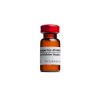
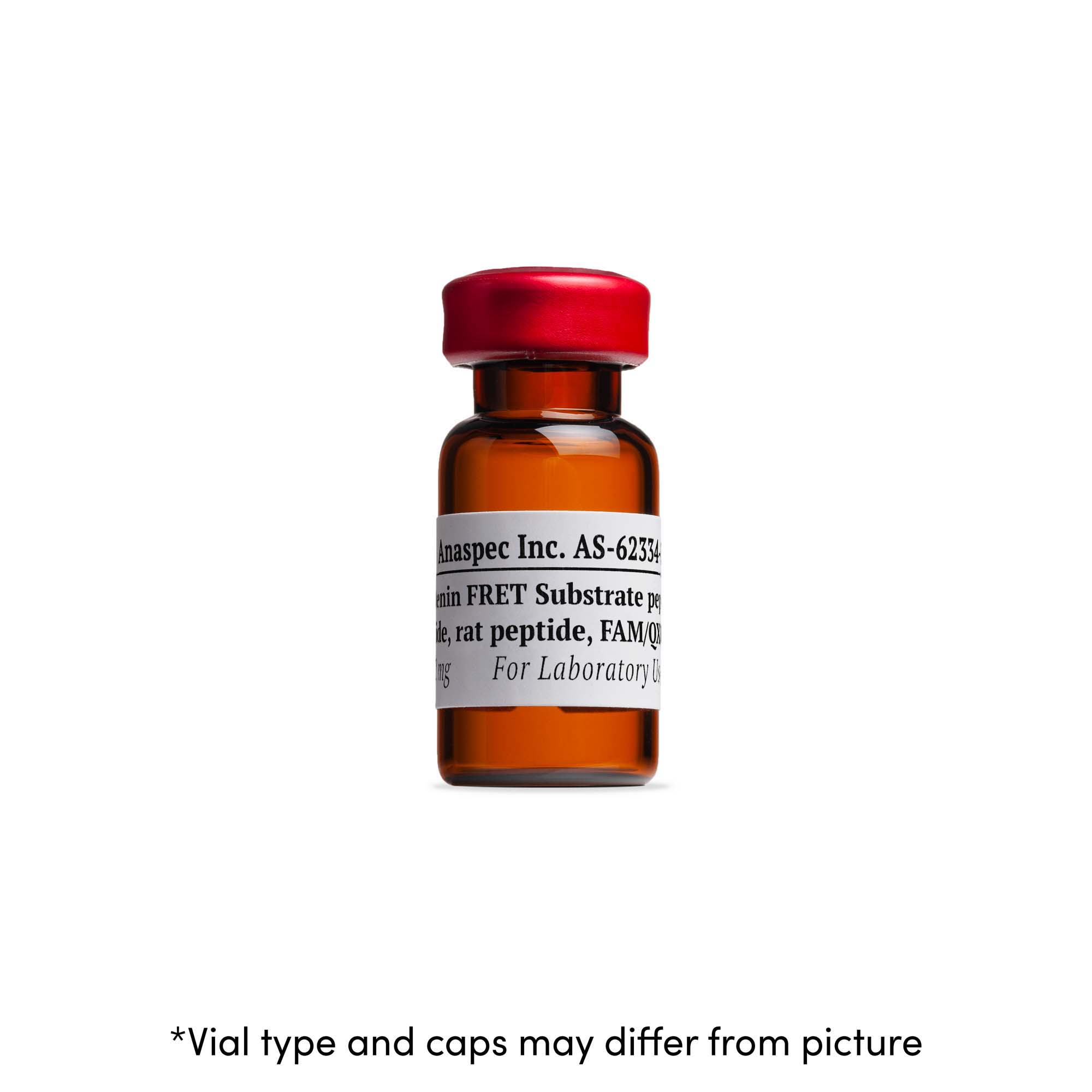
Renin FRET Substrate (5-FAM/QXL® 520), rat – 0.1 mg
$298.00
Renin FRET Substrate (5-FAM/QXL™520), rat. Upon cleavage into two fragments by rat renin, the fluorescence of 5-FAM is recovered, and can be monitored.
Overview
The Renin FRET Substrate (5-FAM/QXL® 520) for rat is an essential tool for your research needs, particularly in understanding the renin-angiotensin system’s role in cardiovascular, renal, and adrenal function. This substrate serves as a specific target for rat renin, a crucial aspartyl protease that cleaves angiotensinogen, ultimately yielding angiotensin I and II. Monitoring the fluorescence recovery from 5-FAM when this peptide substrate is cleaved provides insightful data that can be invaluable for your studies on hypertension and related conditions.
Key Features
- Specific substrate for rat renin, allowing precise measurements.
- Fluorescent signal recovery upon cleavage, enabling real-time monitoring.
- Supports research on the renin-angiotensin system and its implications in hypertension.
- High purity and reliability, ensuring accurate experimental results.
- 0.1 mg concentration, ideal for various applications.
Specifications
| Product Name | Renin FRET Substrate (5-FAM/QXL® 520) |
| Species | Rat |
| Concentration | 0.1 mg |
| Category | Peptides |
FAQ
What is the renin-angiotensin system?
The renin-angiotensin system is a complex hormonal cascade that regulates blood pressure and fluid balance. It plays a significant role in the body’s homeostasis and is closely linked to cardiovascular health.
How does the Renin FRET Substrate work?
This substrate is cleaved by rat renin, resulting in the recovery of fluorescence from 5-FAM. This change can be easily monitored, providing a quantitative way to measure renin activity.
Can this substrate be used for in vivo studies?
While primarily designed for in vitro applications, this substrate can provide insights relevant to in vivo studies. However, careful consideration and validation in your specific experimental settings are recommended.
Explore our complete range of peptides for other specialized substrates like the Autocamtide-2 and CREBtide. Each product is meticulously developed to meet the needs of researchers seeking to expand their understanding of biochemical processes and pathways.
Related Products
Be the first to review “Renin FRET Substrate (5-FAM/QXL® 520), rat – 0.1 mg”
Related products
Peptides
Peptides
Peptides
Peptides
Peptides
Reviews
There are no reviews yet.