
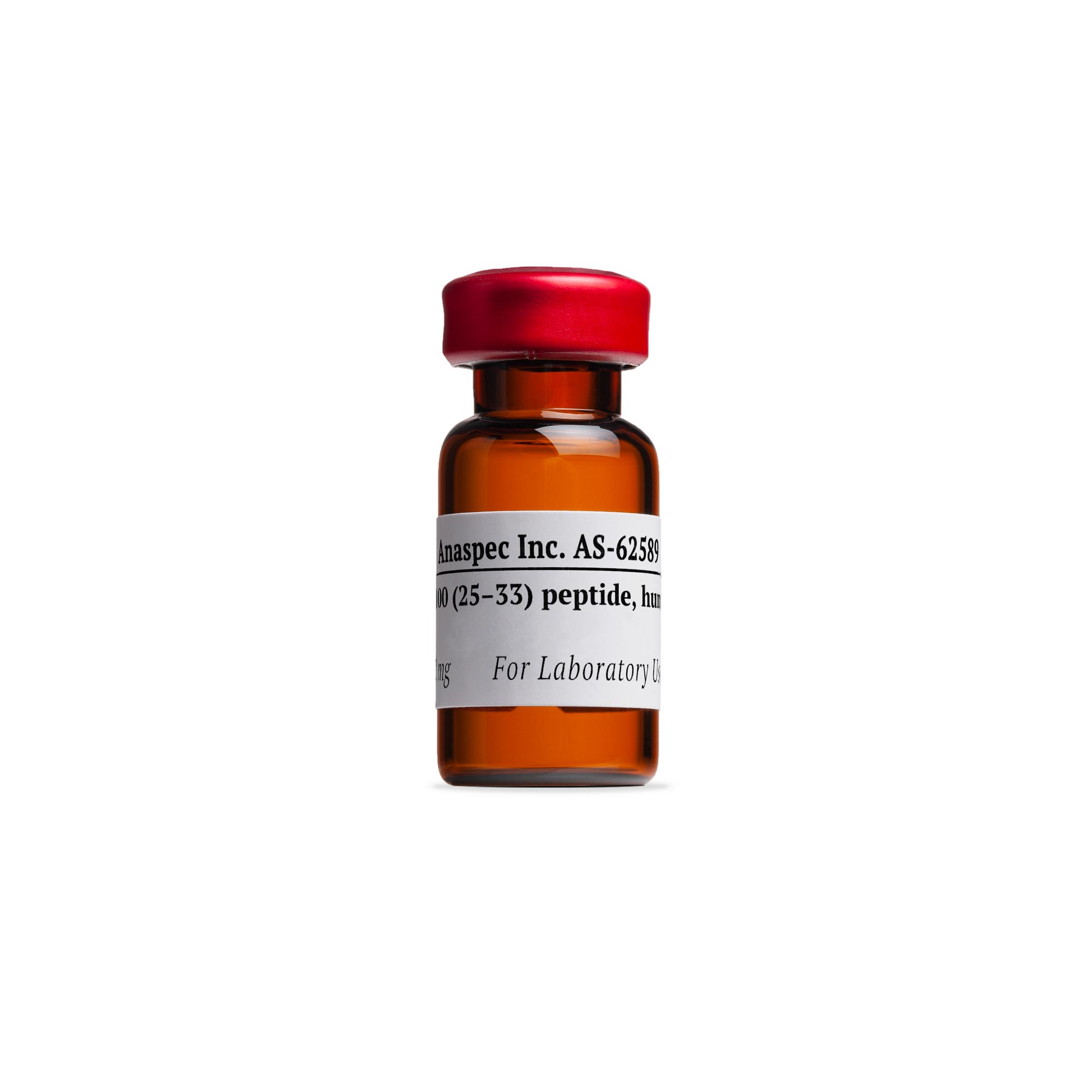
gp100 (25-33), human – 1 mg
$107.00
gp100 (25-33), human, fragment of melanoma antigen. H-2Db restricted epitope is recognized by T cells. Used as immunogen in cancer immunotherapy studies.
Overview
The gp100 (25-33) peptide, a fragment of the human melanoma antigen, is a pivotal tool in cancer immunotherapy research. This specific peptide corresponds to amino acids 25 to 33 of the gp100 protein, which plays an essential role in immune recognition. It is recognized by T cells and is restricted by the H-2Db molecule, making it relevant for studies involving CD8+ T cells that target melanoma cells, such as B16 melanoma, while sparing normal melanocytes. Understanding its function can significantly advance therapeutic strategies aimed at treating melanoma.
Key Features
- Immunogen for cancer immunotherapy studies
- Recognized by H-2Db restricted epitope
- Specifically targets gp100-positive melanoma cells
- Helps elucidate T cell responses in cancer
- Useful in peptide-based vaccine development
Specifications
| Product Name | Concentration | Size | Category |
|---|---|---|---|
| gp100 (25-33), human | 1 mg | 1 mg | Peptides |
FAQ
What is the significance of the gp100 peptide in melanoma research?
The gp100 peptide serves as an immunogen in cancer immunotherapy studies, helping researchers understand the immune system’s interaction with melanoma antigens, which can aid in developing targeted treatments.
How is the gp100 (25-33) peptide used in laboratory studies?
This peptide is utilized in assays to characterize T cell responses and evaluate the efficacy of cancer immunotherapies that target specific melanoma antigens, providing valuable insights into treatment strategies.
Can the gp100 peptide be used in vivo studies?
Yes, the gp100 peptide can be used in vivo to study T cell responses and the potential for developing peptide-based vaccines, enhancing our understanding of T cell-mediated immunity against melanoma.
Explore our range of related products such as PKG Substrate and Autocamtide-2 to further enhance your research.
Related Products
Browse more in Peptides.
Be the first to review “gp100 (25-33), human – 1 mg”
Related products
Peptides
Reviews
There are no reviews yet.