
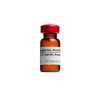
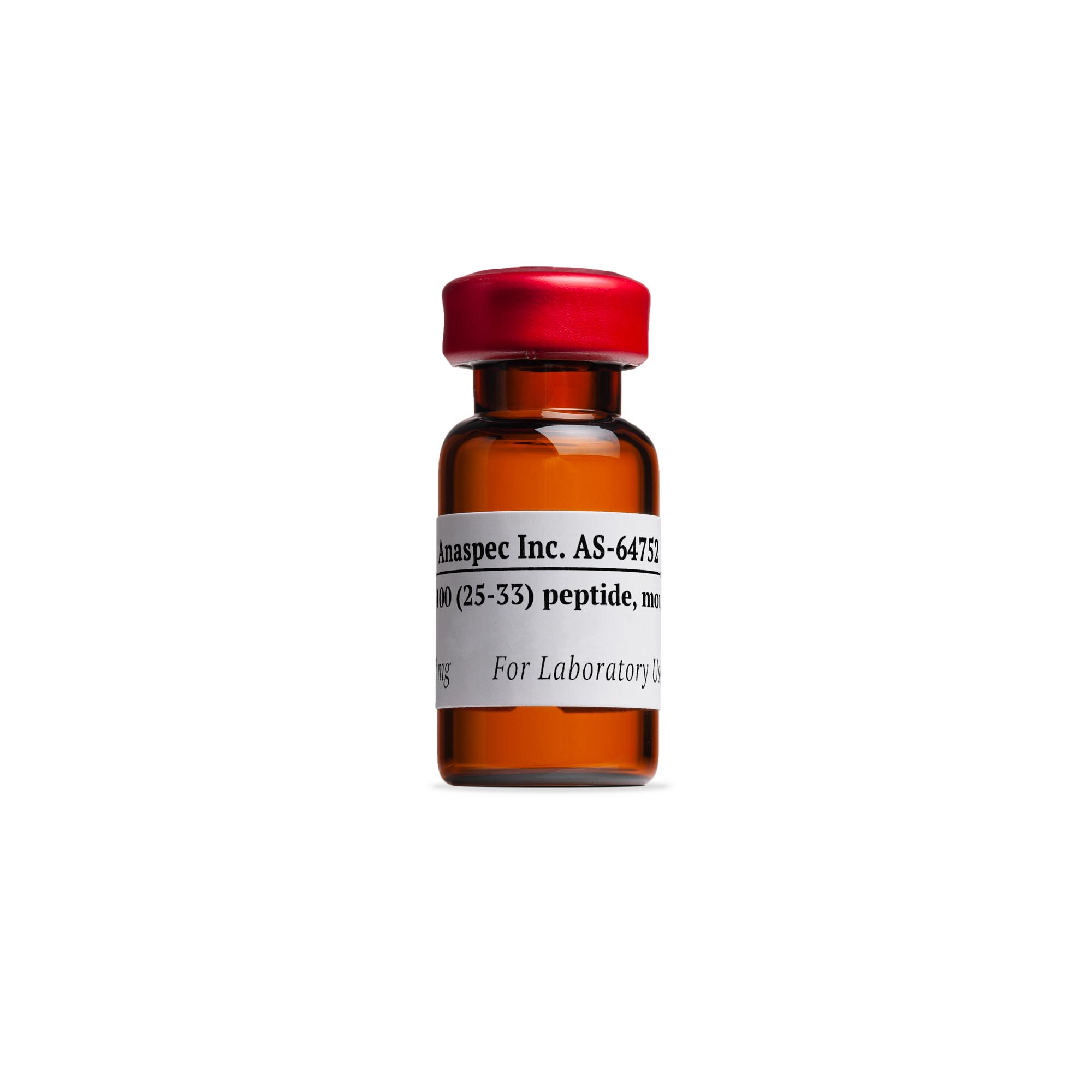
gp100 (25-33), mouse – 1 mg
$120.00
gp100 (25-33), mouse, self/tumor antigen glycoprotein (mgp100) enzyme normally involved in pigment synthesis, expressed in melanocytes and melanoma cells.
Overview
The gp100 (25-33), mouse peptide is a crucial component in cancer research, specifically targeting the mouse self/tumor antigen glycoprotein (mgp100). This peptide sequence, derived from residues 25 to 33 of mgp100, plays a significant role in the immune response. Recognized by CD8+ T cells, this epitope fragment is commonly expressed in both normal melanocytes and melanoma cells, making it essential for studying tumor recognition and immune response dynamics.
Key Features
- Derived from mouse self/tumor antigen glycoprotein (mgp100)
- Contains a CD8+ T cell epitope
- Involved in pigment synthesis
- Expressed in both melanocytes and melanoma cells
- Available in 1 mg quantity for research applications
Specifications
| Product Name | gp100 (25-33), mouse |
| Quantity | 1 mg |
| Category | Peptides |
FAQ
What is the significance of gp100 in research?
The gp100 (25-33) peptide is significant as it serves as a model for studying T cell recognition in melanoma, which is critical for developing immunotherapies.
How is this peptide used in experiments?
This peptide is often used in studies focusing on T-cell activation and the efficacy of cancer vaccines, providing insights into immune responses against tumors.
Can this peptide form pyroglutamyl (pGlu) peptides?
Yes, if glutamine (Q) or glutamic acid (E) is located at the N-terminus of the peptide sequence, it may spontaneously form a pyroglutamyl peptide.
Enhance your peptide and protein research with our range of products, including PKG substrate for specific assays or Autocamtide-2 for deeper investigations into biochemical pathways. For even more options, explore our comprehensive selection of peptides. Investing in quality products like gp100 can significantly advance your research outcomes, whether you’re focused on fundamental biology or applied therapeutic strategies.
Related Products
Be the first to review “gp100 (25-33), mouse – 1 mg”
Related products
Peptides
Peptides
Reviews
There are no reviews yet.