
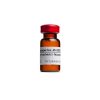
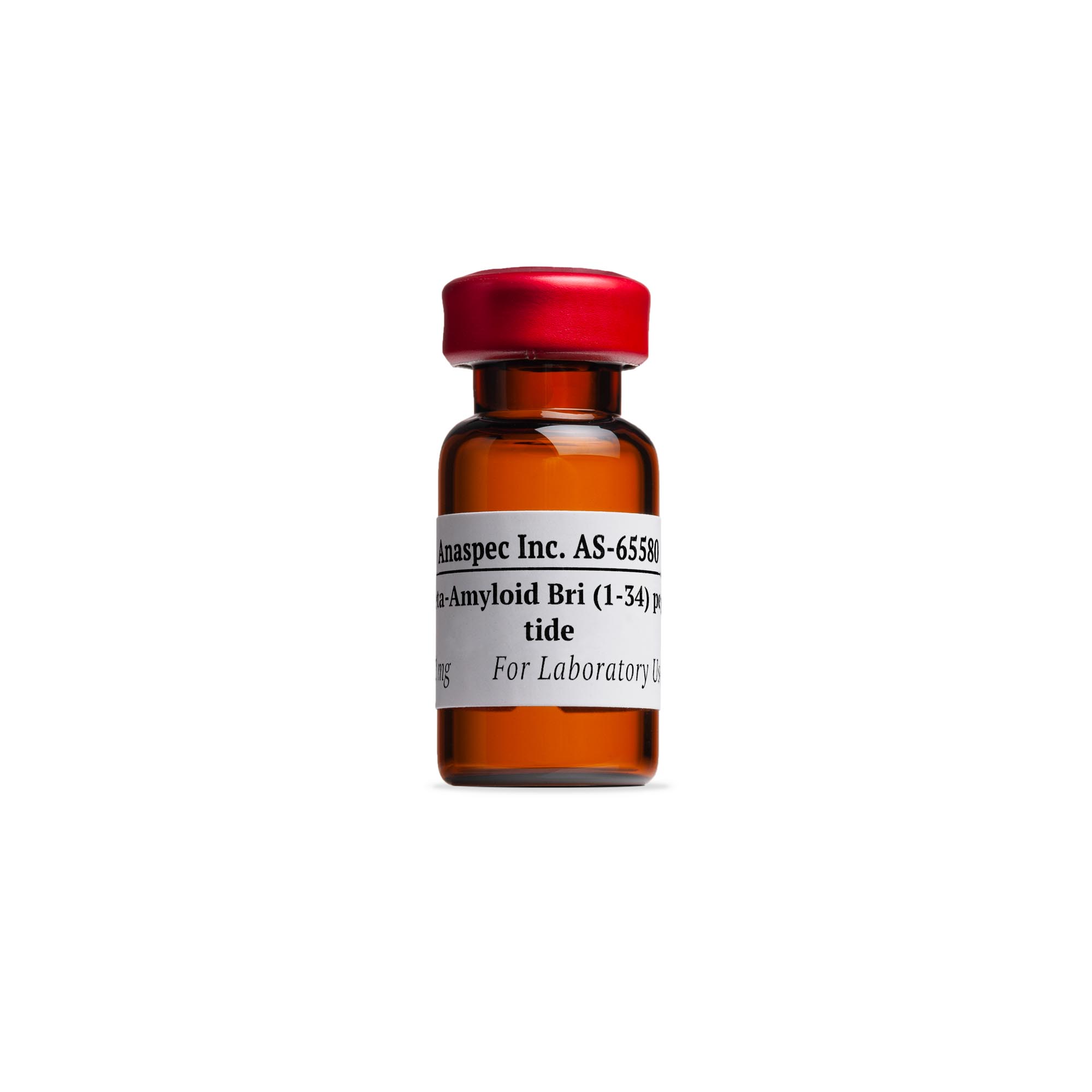
Beta-Amyloid Bri (1-34) – 1 mg
$345.00
Beta-Amyloid Bri (1-34) and Beta-Amyloid Bri (1-23) peptides are post-translational products of mutated BRI2 gene.
Overview
Beta-Amyloid Bri (1-34) is a highly relevant peptide for researchers studying familial British dementia (FBD) and Alzheimer’s Disease. This peptide, derived from the mutated BRI2 gene, plays a significant role in the formation of amyloid plaques, characteristic features observed in the brains of affected patients. Understanding the properties and behaviors of Beta-Amyloid peptides can provide insights into the mechanisms underlying neurodegenerative diseases.
Key Features
- High-quality Beta-Amyloid Bri (1-34) peptide for reliable research
- Critical for studies related to familial British dementia and Alzheimer’s Disease
- Significant in understanding amyloid plaque formation in the brain
- Research-grade purity ensures accurate experimental results
- Also offers compatibility with other related products like our PKG Substrate and Autocamtide-2
Specifications
| Product Name | Beta-Amyloid Bri (1-34) |
| Quantity | 1 mg |
| Category | Peptides |
| CAS Number | Not assigned |
FAQ
What is Beta-Amyloid Bri (1-34) used for?
This peptide is primarily utilized in research to study its role in neurodegenerative diseases, particularly familial British dementia and Alzheimer’s Disease.
How is this peptide delivered?
Beta-Amyloid Bri (1-34) is supplied in a lyophilized form, allowing for easy reconstitution and use in various assays.
Are there similar peptides available?
Yes, we also offer related products such as CREBtide 5-FAM labeled and various other peptides for your research needs.
If you’re looking to enhance your studies on amyloid-related pathologies, consider adding Beta-Amyloid Bri (1-34) to your laboratory. This peptide is essential for unlocking new research avenues in understanding the neurodegenerative processes associated with FBD and Alzheimer’s Disease.
Be the first to review “Beta-Amyloid Bri (1-34) – 1 mg”
Related products
Peptides
Peptides
Peptides
Reviews
There are no reviews yet.