
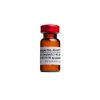
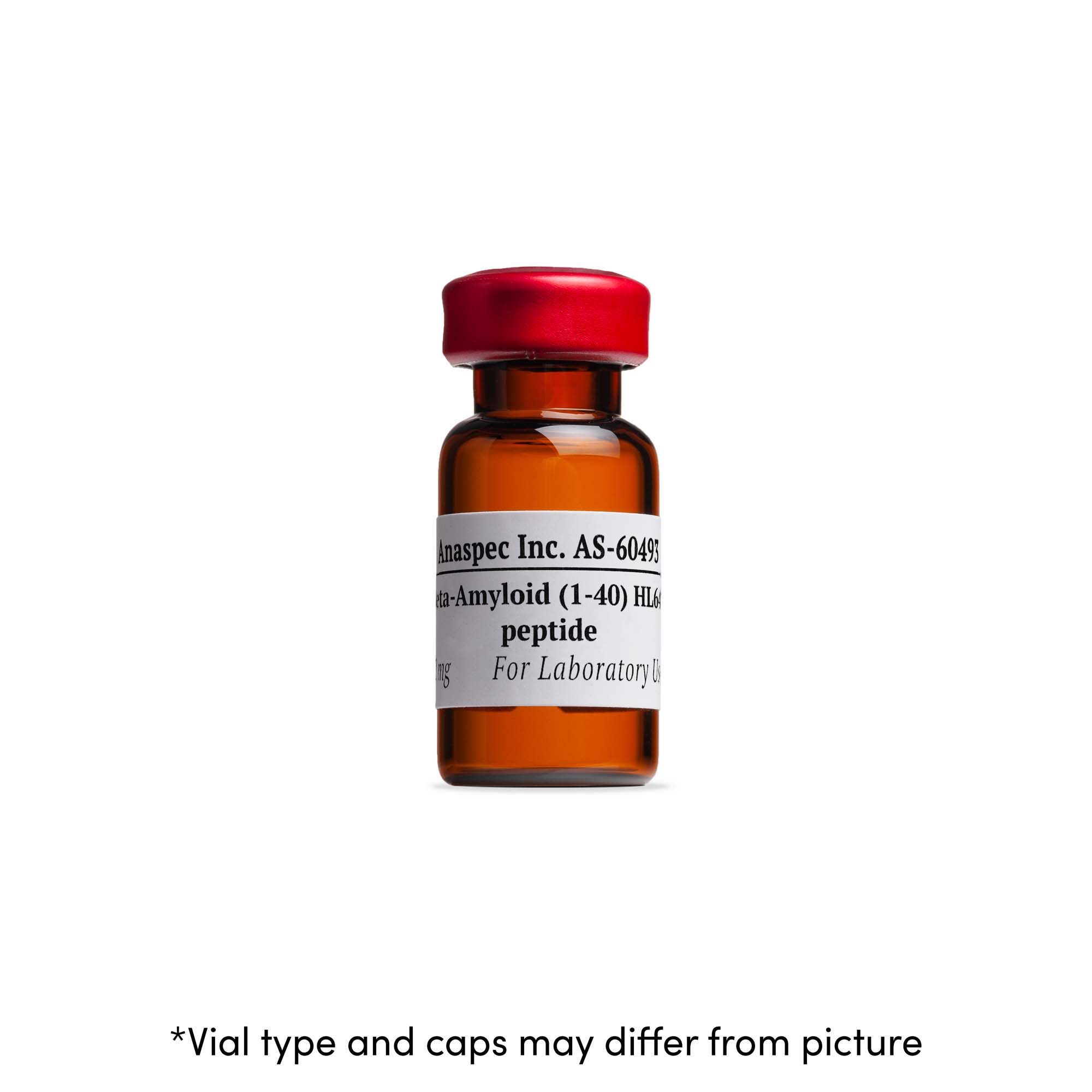
Beta-Amyloid (1-40), HiLyte™ Fluor 647-labeled – 0.1 mg
$331.00
Beta-Amyloid (1-40), HiLyte™ Fluor 647-labeled. Aß(1-40) together with Aß (1-42) are two major C-terminal variants of the beta-Amyloid protein.
Overview
Introducing the Beta-Amyloid (1-40), HiLyte™ Fluor 647-labeled peptide, a crucial tool for researchers studying Alzheimer’s disease. This peptide is specifically designed to help you investigate the aggregation and deposition characteristics of beta-Amyloid proteins, which are central to Alzheimer’s pathology. The HiLyte™ Fluor 647 labeling allows for sensitive detection, making this peptide ideal for fluorescence microscopy and other applications in neurodegenerative disease research.
Key Features
- HiLyte™ Fluor 647 labeling for enhanced fluorescence detection.
- Designed for research on Alzheimer’s disease.
- Use in various assays and experimental setups.
- High purity and reliable performance in assays.
Specifications
| Property | Detail |
|---|---|
| Peptide | Beta-Amyloid (1-40) |
| Label | HiLyte™ Fluor 647 |
| Concentration | 0.1 mg |
| Excitation/Emission | 649/674 nm |
FAQ
What applications can I use this peptide for?
This peptide is excellent for studying the aggregation properties of beta-Amyloid in various assays, including fluorescence microscopy and in vitro studies. Its HiLyte™ Fluor 647 labeling enables easy detection and imaging.
Is this peptide suitable for in vivo studies?
While primarily used in vitro, you should consult your specific experimental setup and requirements to determine the feasibility of in vivo applications.
Where can I learn more about similar products?
Check out our extensive selection of peptides for research applications, including our PKG Substrate and Autocamtide-2to expand your toolkit for neurobiological studies.
Ready to enhance your research? Purchase the Beta-Amyloid (1-40), HiLyte™ Fluor 647-labeled today to make significant strides in understanding Alzheimer’s disease and its underlying mechanisms.
Related Products
Be the first to review “Beta-Amyloid (1-40), HiLyte™ Fluor 647-labeled – 0.1 mg”
Related products
Peptides
Peptides
Peptides
Reviews
There are no reviews yet.