
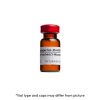
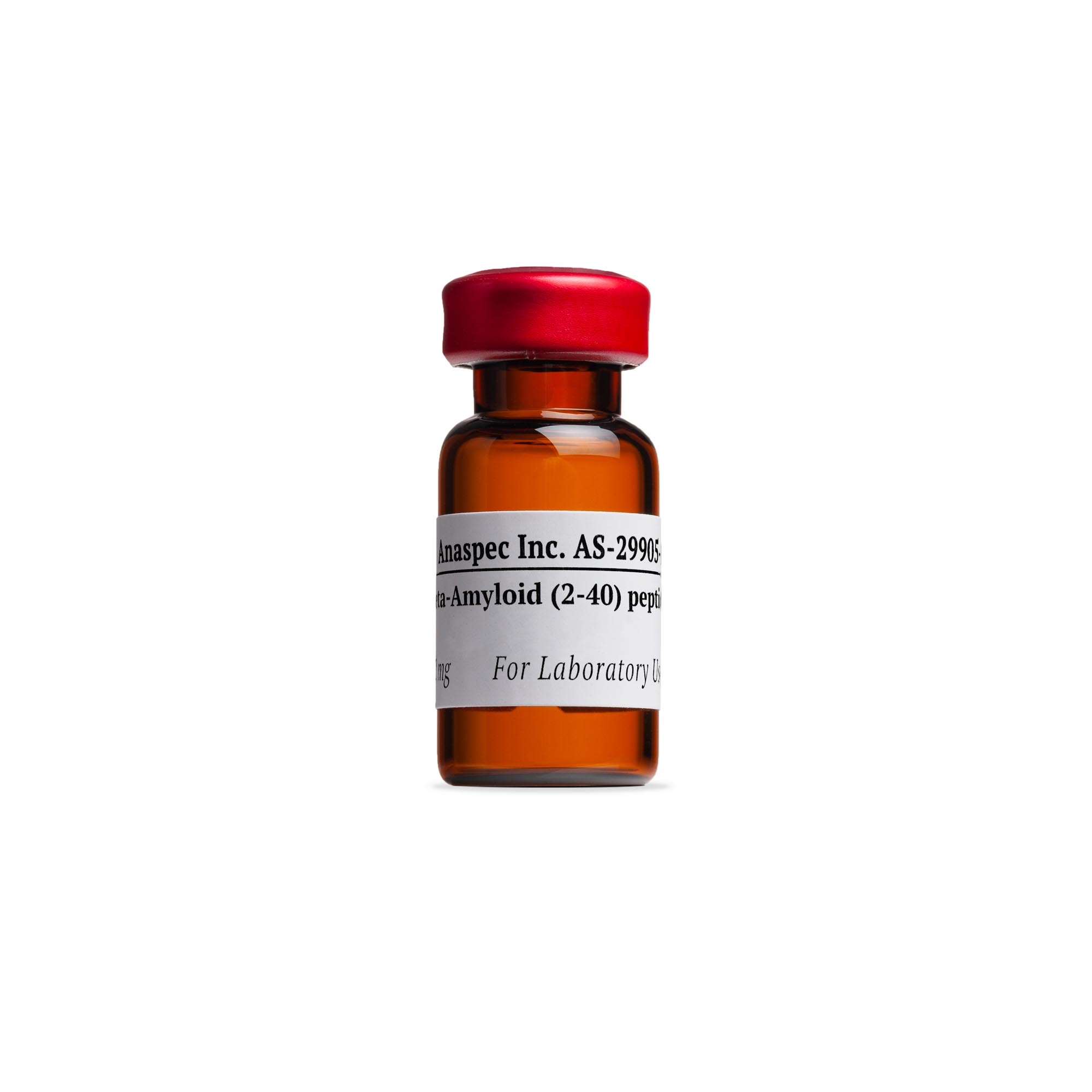
Beta-Amyloid (2-40) – 1 mg
$522.00
This is Beta-Amyloid (2-40). N-terminally truncated. Supplementing media with truncated Abeta (2-40) and (2-42) induce the phagocytosis by monocytes.
Overview
Introducing our Beta-Amyloid (2-40), a specialized peptide designed for research purposes. This N-terminally truncated peptide has shown significant potential in inducing phagocytosis by human monocytes when introduced into culture media. Unlike its longer counterpart, Beta-Amyloid (1-40), the truncated version (2-40) offers distinct advantages in cell studies, particularly when exploring the mechanisms of neurodegenerative diseases.
Key Features
- N-terminally truncated peptide
- Induces phagocytosis of polystyrene particles by primary human monocytes
- Effective for in vitro studies in neurodegenerative disease research
- Available in a 1 mg unit
- High purity and quality assured
Specifications
| Attribute | Details |
|---|---|
| Peptide Name | Beta-Amyloid (2-40) |
| Size | 1 mg |
| Form | Lyophilized powder |
| Purity | ≥95% |
| Storage Conditions | -20°C |
FAQ
What is Beta-Amyloid (2-40) used for?
Beta-Amyloid (2-40) is primarily used in research to study its role in phagocytosis and neurodegenerative diseases. Researchers often supplement cell cultures with this peptide to better understand its effects on monocyte activity.
How should I store Beta-Amyloid (2-40)?
For optimal stability, store the Beta-Amyloid (2-40) peptide at -20°C. Ensure that it is kept in a dry environment to maintain its integrity.
Can I use Beta-Amyloid (2-40) in my research?
Absolutely! This peptide is suitable for use in various experimental settings, particularly in studies related to Alzheimer’s disease and other neurodegenerative conditions. For further insights into related products, explore our peptides catalog.
With the ability to enhance your research on neurobiology, you can confidently order Beta-Amyloid (2-40) from AnaSpec today. Our commitment to quality ensures that you receive a product that meets the highest standards for your studies. Don’t miss the opportunity to advance your research with this crucial peptide, shop now to add Beta-Amyloid (2-40) to your toolkit.
Related Products
Be the first to review “Beta-Amyloid (2-40) – 1 mg”
Related products
Peptides
Peptides
Peptides
Reviews
There are no reviews yet.