
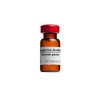
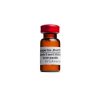
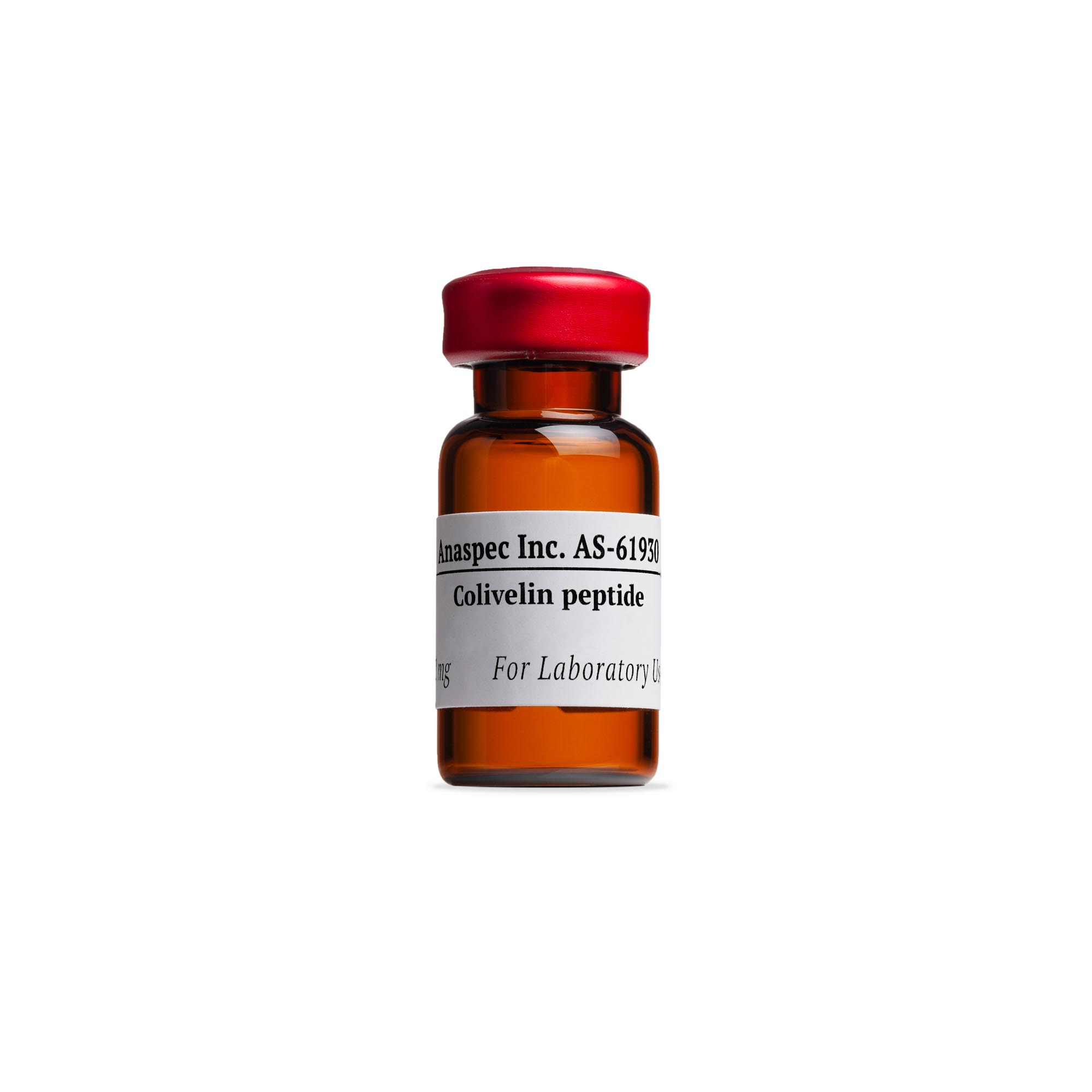
Colivelin – 1 mg
$273.00
Colivelin, hybrid peptide synthesized to potentiate the neuroprotective effect of humanin (HN). Composed of ADNF fused to AGA-(C8R) HNG17.
Overview
Colivelin is a specialized hybrid peptide designed to enhance the neuroprotective effects of humanin (HN). This compound combines Activity-Dependent Neurotrophic Factor (ADNF) with AGA-(C8R) HNG17, a potent derivative of humanin. Colivelin has demonstrated significant efficacy in protecting against cell death caused by Familial Alzheimer’s disease (FAD)-related genetic expression and beta-amyloid toxicity, making it a valuable compound for researchers in the field of neurobiology.
Key Features
- Hybrid peptide uniquely designed to improve neuroprotection.
- Effective against cell death induced by beta-amyloid (1-43) and FAD genes.
- May alleviate memory impairment when administered intraperitoneally.
- Potential candidate for novel drug development.
- Suitable for a variety of research applications, particularly in neurological studies.
Specifications
| Product Name | Colivelin |
| Category | Peptides |
| Size | 1 mg |
FAQ
What is Colivelin used for?
Colivelin is primarily used in research to study neuroprotection and the underlying mechanisms of Alzheimer’s disease. Its effectiveness against cell death due to beta-amyloid and FAD genes makes it a key asset in neurological research.
How does Colivelin work?
This hybrid peptide works by enhancing the neuroprotective effects of humanin, providing a safeguard against cellular stressors associated with neurodegenerative processes.
Is Colivelin suitable for all research applications?
While Colivelin is particularly effective in the study of neuroprotection, its applicability may vary depending on the specific research context. It’s best suited for studies exploring neurodegenerative diseases and their mechanisms.
For those looking to expand their peptide repertoire, consider exploring our range of peptideswhich includes other valuable compounds like Autocamtide-2 and CREBtide. With Colivelin in your research toolkit, you can investigate critical neuroprotective pathways and potentially discover new therapeutic approaches.
Related Products
Be the first to review “Colivelin – 1 mg”
Related products
Peptides
Peptides
Peptides
Reviews
There are no reviews yet.