
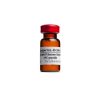
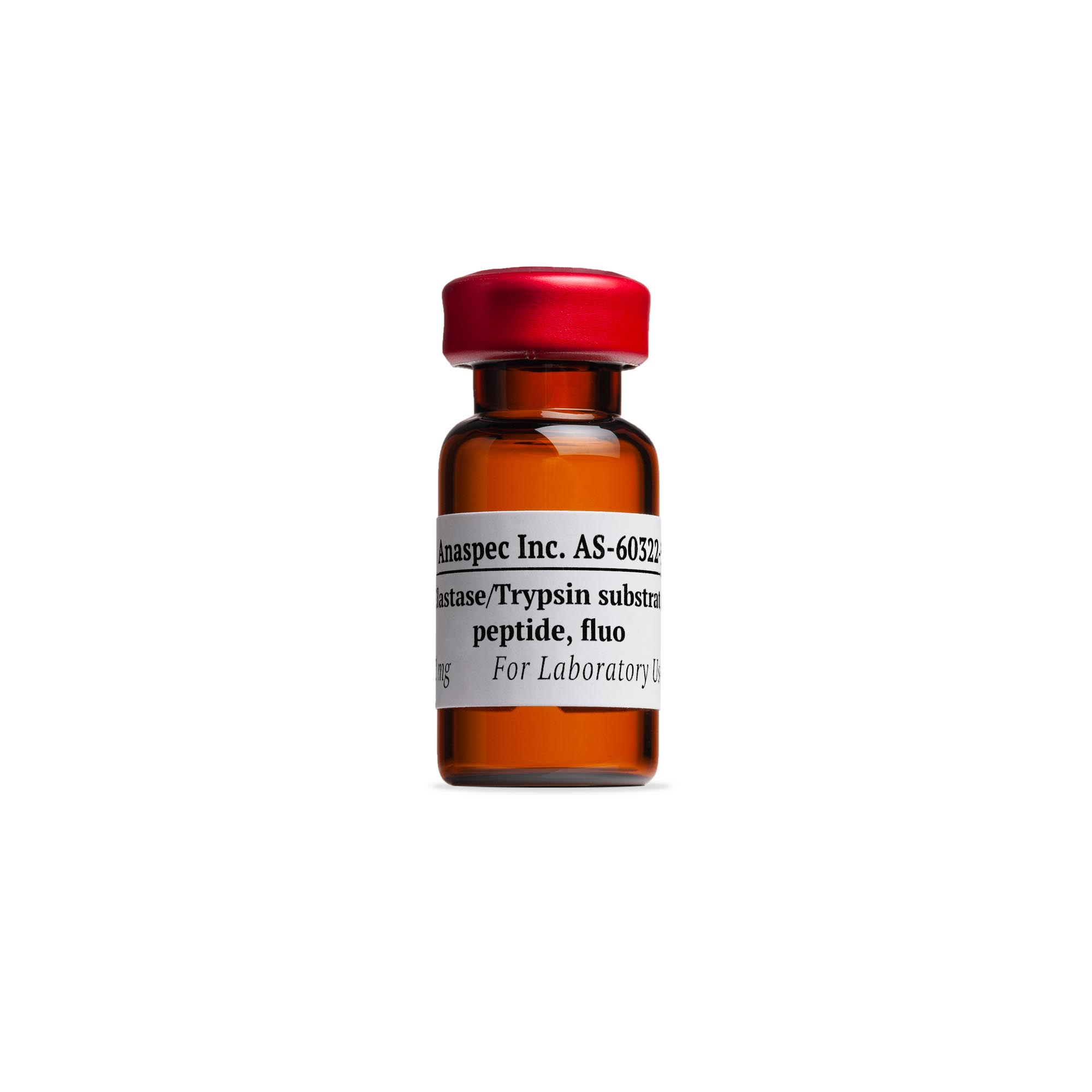
Elastase/Trypsin Substrate, fluorogenic, (Z-AR)2Rh110•2HCl – 5 mg
$162.00
Elastase/Trypsin Substrate, fluorogenic, (Z-AR)2Rh110•2HCl is a sensitive fluorogenic substrate for elastase and trypsin.
Overview
The Elastase/Trypsin Substrate, fluorogenic, (Z-AR)2Rh110•2HCl is designed for researchers who need a highly sensitive substrate for elastase and trypsin detection. This compound, known scientifically as (Z-Ala-Arg)2Rh110, undergoes hydrolysis to convert from a colorless and nonfluorescent state to a bright, fluorescent product, rhodamine 110. This shift allows for precise detection using fluorescence instruments, making it an essential tool in many laboratory settings.
Key Features
- Fluorogenic substrate tailored for elastase and trypsin analysis
- Hydrolyzed to produce highly fluorescent rhodamine 110
- Perfect spectral properties for fluorescence detection: Abs/Em = 497/527 nm
- Available in a 5 mg package for versatile experimental use
- Ideal for a range of applications in research and diagnostics
Specifications
| Feature | Details |
|---|---|
| Product Name | Elastase/Trypsin Substrate, fluorogenic, (Z-AR)2Rh110•2HCl |
| Weight | 5 mg |
FAQ
What is the main application of (Z-AR)2Rh110?
(Z-AR)2Rh110 is primarily used as a fluorogenic substrate for detecting elastase and trypsin activity in various biological assays.
How does the substrate work?
The substrate is initially nonfluorescent. Upon hydrolysis by elastase or trypsin, it transforms into a fluorescent compound (rhodamine 110), allowing for effective detection.
Can I use this substrate with standard fluorescence equipment?
Yes, the spectral properties of rhodamine 110 are optimized for most common fluorescence instruments, providing clear and measurable results.
For enhanced detection capabilities, explore other related products like our PKG Substrate or Autocamtide-2. Don’t forget to check out our full range of peptides for your research needs.
Related Products
Be the first to review “Elastase/Trypsin Substrate, fluorogenic, (Z-AR)2Rh110•2HCl – 5 mg”
Related products
Peptides
Peptides
Reviews
There are no reviews yet.