
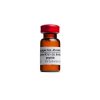
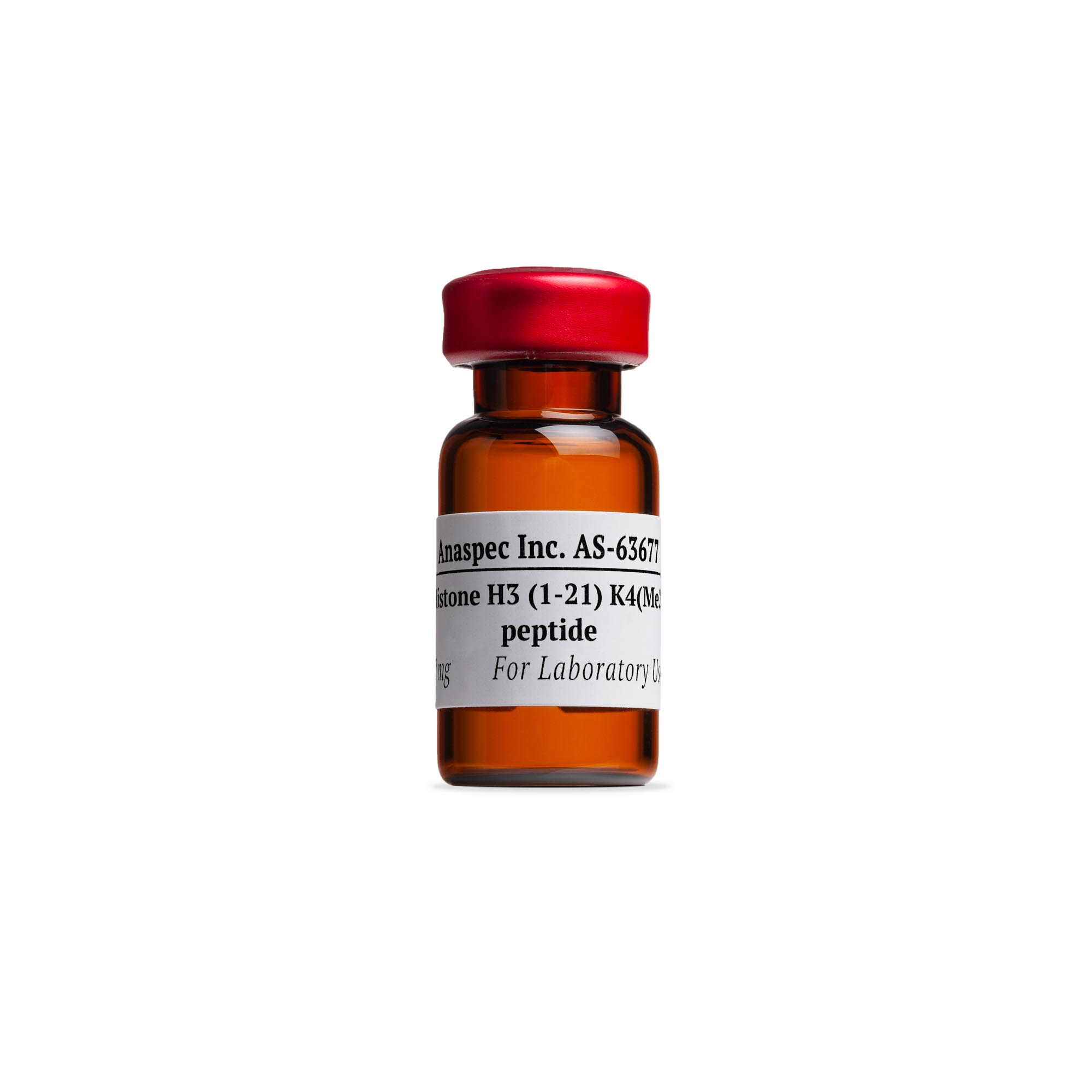
[Lys(Me2)4]-Histone H3 (1-21) – 1 mg
$305.00
[Lys(Me2)4]-Histone H3 (1-21), dimethylated lysine at position 4 of the 1-21 amino acid histone H3 peptide, enriched around transcription start sites (TSS)
Overview
The [Lys(Me2)4]-Histone H3 (1-21) peptide is a specialized dimethylated lysine variant at position 4 of the histone H3 sequence. This peptide is essential for studying epigenetic regulation, particularly at transcription start sites (TSS), where its presence is notably enriched. Researchers investigating gene expression, particularly in T cell functions, will find this peptide particularly beneficial due to its correlation with gene activation.
Key Features
- Contains dimethylated lysine at position 4.
- Enriched around transcription start sites, aiding in epigenetic research.
- Supports studies related to T cell function and gene expression.
- Provides high-quality and reliable performance for biochemical applications.
- Available in a 1 mg quantity for various experimental needs.
Specifications
| Product Name | [Lys(Me2)4]-Histone H3 (1-21) |
| Quantity | 1 mg |
| Category | Peptides |
FAQ
What is the significance of dimethylated lysine in histones?
Dimethylated lysine residues play a critical role in gene regulation by influencing chromatin structure and function. They are often associated with active transcription sites.
How can I use [Lys(Me2)4]-Histone H3 in my experiments?
You can incorporate this peptide into assays investigating histone modifications, gene expression analysis, or studies on T cell behavior. It serves as a vital tool in understanding epigenetic mechanisms.
Where can I find similar peptides for my research?
For other high-quality peptides, check out our collection of peptidesor explore specific options like PKG Substrate and Autocamtide-2.
By choosing [Lys(Me2)4]-Histone H3 (1-21), you gain access to a valuable resource for your research endeavors. Order now and enhance your studies on histone modifications and gene regulation.
Related Products
Be the first to review “[Lys(Me2)4]-Histone H3 (1-21) – 1 mg”
Related products
Peptides
Peptides
Reviews
There are no reviews yet.