
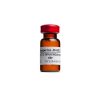
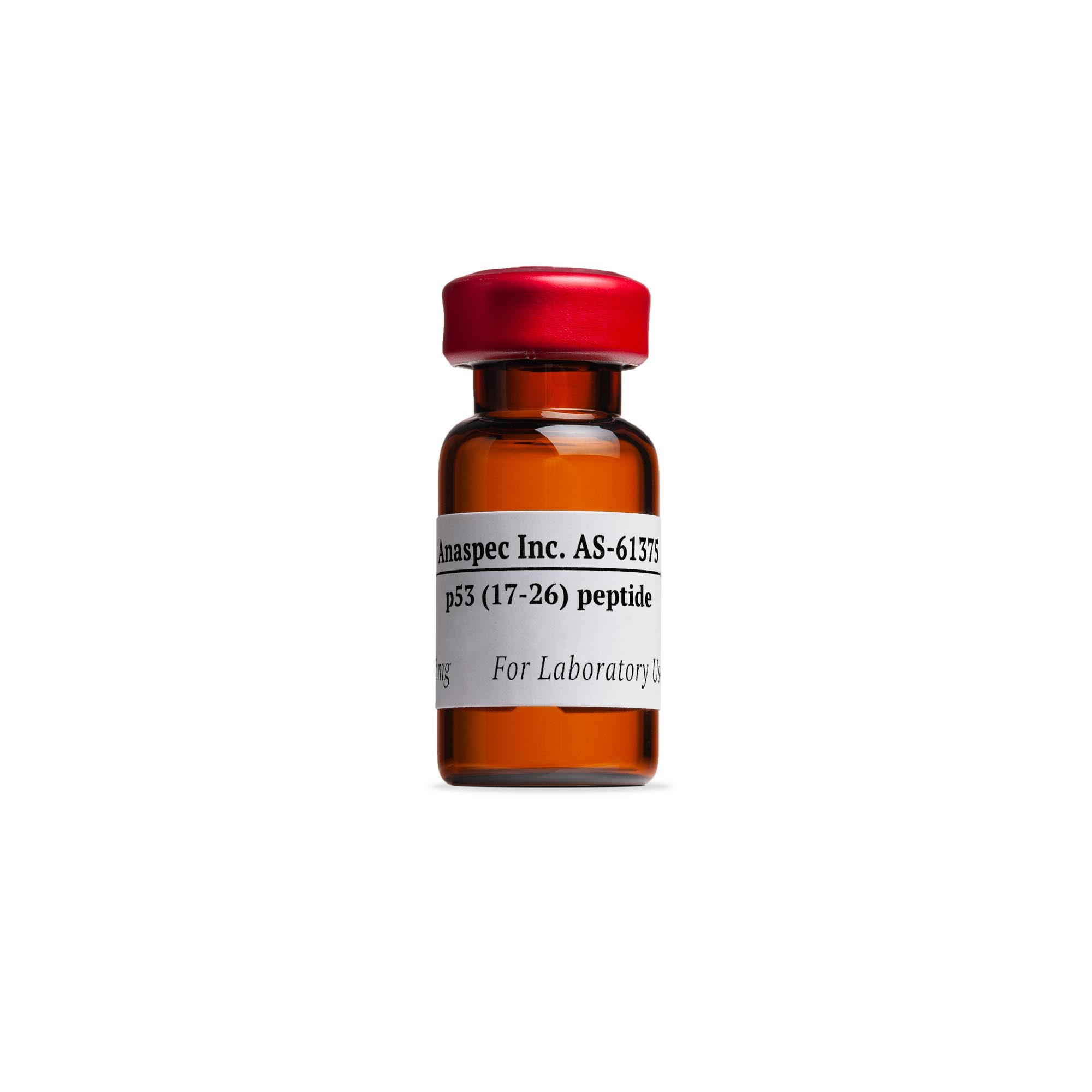
p53 (17-26) – 1 mg
$105.00
p53 (17-26) fragment of p53, Mdm-2 binding domain of p53, p53N. Contains all of residues that contact binding domain of Mdm-2. Tumor suppressor protein.
Overview
The p53 (17-26) peptide, also referred to as p53N, is an essential fragment of the p53 tumor suppressor protein. This specific sequence encompasses amino acids 17 to 26 and is critical for binding to Mdm-2, a vital interaction for regulating p53 activity in cancer prevention. Understanding and utilizing this peptide is crucial for researchers focused on maintaining genome stability and preventing cancer development.
Key Features
- Consists of amino acids 17 to 26 from the p53 protein
- Contains all essential residues for Mdm-2 binding
- Essential for studies related to tumor suppression
- Produced with high purity for reliable results
- Available in a convenient 1 mg format
Specifications
| Property | Detail |
|---|---|
| Product Name | p53 (17-26) |
| Weight | 1 mg |
| Category | Peptides |
FAQ
What role does the p53 protein play in cancer prevention?
The p53 protein is often referred to as the guardian of the genome. It helps maintain genomic stability by regulating the cell cycle and inducing apoptosis in response to DNA damage, thus playing a crucial role in preventing cancer.
How is the p53 (17-26) peptide used in research?
This peptide is primarily used to study the interactions between p53 and Mdm-2. Researchers utilize it to explore pathways involved in tumor suppression and the mechanisms of cancer development.
Is this peptide suitable for in vitro experiments?
Yes, the p53 (17-26) peptide is designed for laboratory research and in vitro studies. Its high purity ensures reliable experimental results when studying protein interactions.
If you’re interested in other peptides and their applications, explore our collection of peptides for more options. To complement your research, consider our PKG Substrate for enhanced assay development or the Autocamtide-2 for additional studies on protein interactions.
Related Products
Be the first to review “p53 (17-26) – 1 mg”
Related products
Reviews
There are no reviews yet.