
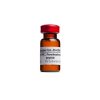
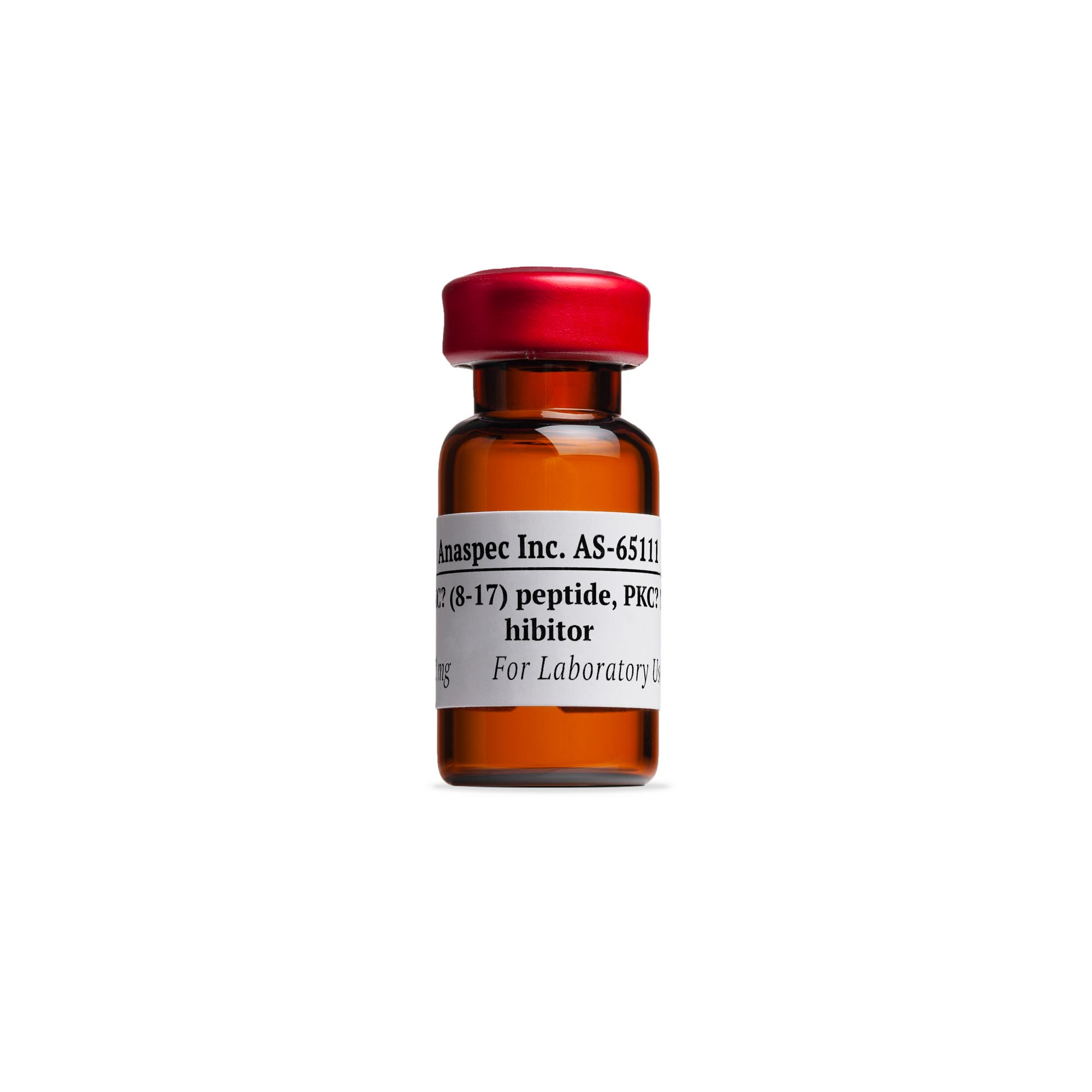
PKCd (8-17), PKCd Inhibitor – 1 mg
$97.00
PKCd (8-17), PKCd Inhibitor derived from the V1 domain of protein kinase Cd. Inhibits phorbol 12-myristate 13-acetate (PMA)-induced PKCd activation.
Overview
The PKCd (8-17) peptide is a potent PKCd inhibitor extracted from the V1 domain of protein kinase C delta (PKCδ). This specific peptide plays a crucial role in scientific research by inhibiting phorbol 12-myristate 13-acetate (PMA)-induced PKCd translocation and activation. Researchers focusing on cardiac and cerebral cell ischemia will find this peptide particularly useful, as it significantly reduces ischemic damage, thereby allowing for more reliable experimental outcomes. With its ability to induce fibroblast proliferation and its impact on graft coronary artery disease in mice, PKCd (8-17) is an essential tool in the study of cellular processes related to ischemia and tissue repair.
Key Features
- Inhibits PMA-induced PKCd activation
- Reduces ischemia damage in cardiac and cerebral cells
- Promotes fibroblast proliferation
- Prevents graft coronary artery disease in mice
- Suitable for research in cardiac and neurological fields
Specifications
| Category | Peptides |
| Product Name | PKCd (8-17), PKCd Inhibitor |
| Weight | 1 mg |
| Storage | -20°C |
FAQ
What is PKCd and why is its inhibition important?
PKCd, or protein kinase C delta, is an enzyme that regulates various cellular functions. Inhibiting PKCd is vital in research focusing on ischemia, as it can help protect cells from damage during events like heart attacks or strokes.
How should I store the PKCd (8-17) peptide?
To ensure stability and longevity, store the PKCd (8-17) peptide at -20°C. This temperature helps maintain its effectiveness for your research.
Can I use this peptide for in vivo studies?
Yes, PKCd (8-17) has been shown to have in vivo applications, particularly in studies related to cardiac ischemia and fibroblast activity, making it a valuable asset for your experimental designs.
If you’re interested in exploring more about our peptide offerings, check out our peptides. For related research tools, consider our PKG substrate or Autocamtide-2both of which offer unique benefits for your studies.
Related Products
Be the first to review “PKCd (8-17), PKCd Inhibitor – 1 mg”
Related products
Peptides
Peptides
Peptides
Reviews
There are no reviews yet.