
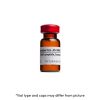
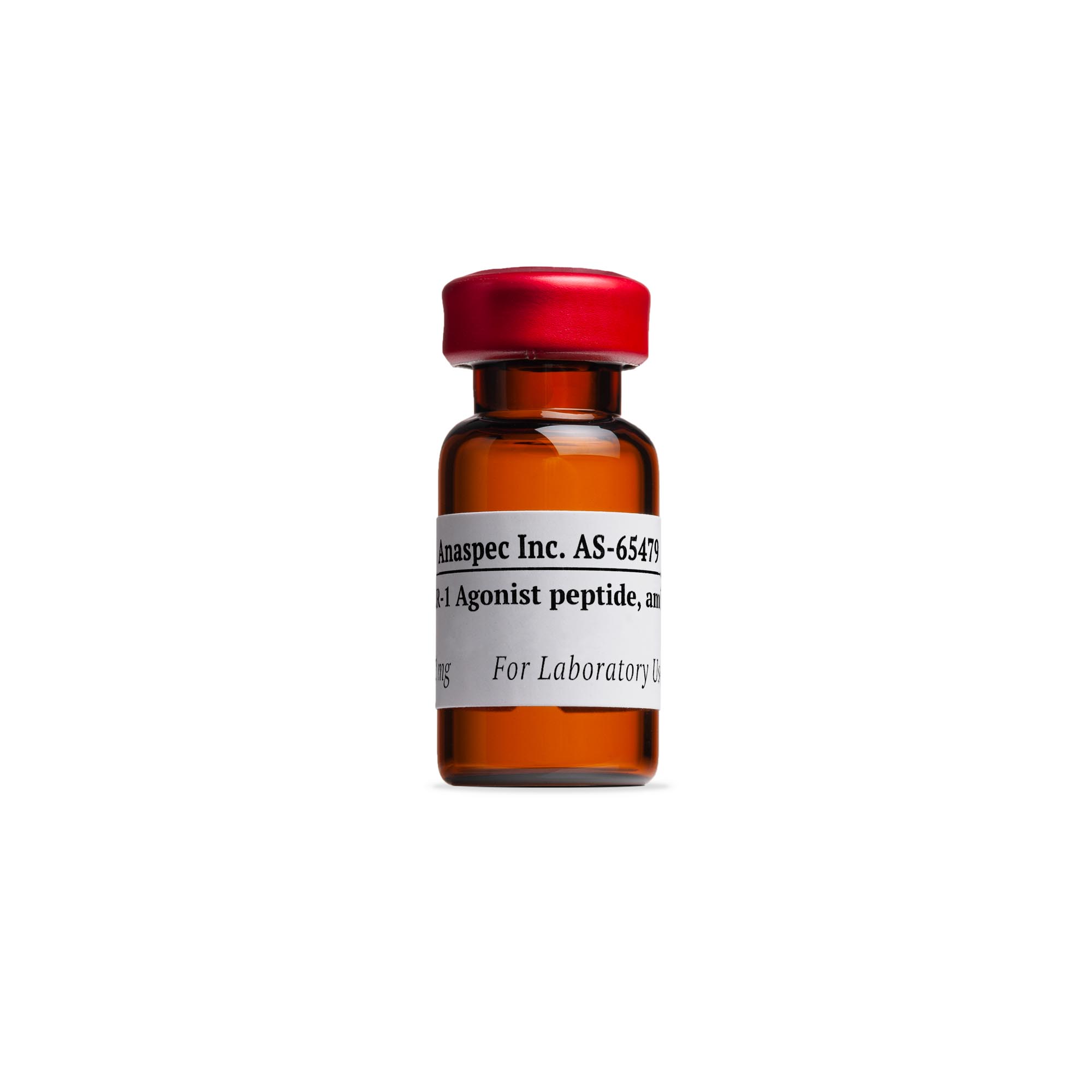
Protease-Activated Receptor-1, PAR-1 Agonist 3, amide – 1 mg
$259.00
Protease-Activated Receptor-1, PAR-1 Agonist 3, amide belongs to a subfamily of G-protein coupled receptors, mediate the cellular effects of thrombin.
Overview
Protease-Activated Receptor-1, PAR-1 Agonist 3, amide is a highly specific peptide that plays a crucial role in mediating the cellular effects of thrombin. As part of the G-protein coupled receptors family, this PAR-1 selective agonist demonstrates a strong preference for PAR-1 over PAR-2, making it an essential component for researchers focusing on thrombin’s cellular pathways. The specificity of this peptide was validated through a cell-based calcium signaling assay, utilizing HEK293 cells, ensuring reliable results for your studies. This product is ideal for those investigating the activation of PAR-1 in vivo and is perfect for your experiments involving neurological or physiological indicators.
Key Features
- Selective PAR-1 agonist with high specificity
- Validated through cell-based assays
- Useful for in vivo PAR-1 activation studies
- Facilitates exploration of thrombin’s cellular effects
- Quality assured for research applications
Specifications
| Product | Quantity | Category |
|---|---|---|
| PAR-1 Agonist 3, amide | 1 mg | Peptides |
FAQ
What is the primary use of PAR-1 Agonist 3?
The primary use of PAR-1 Agonist 3 is to study the activation effects of thrombin in cellular environments, particularly focusing on the PAR-1 receptor.
How was the specificity of this peptide evaluated?
The specificity of PAR-1 Agonist 3 was evaluated using a cell-based calcium signaling assay specifically with HEK293 cells, confirming its selective action on PAR-1.
Can this peptide be used in vivo?
Yes, PAR-1 Agonist 3 is suitable for in vivo studies, allowing researchers to explore the physiological implications of PAR-1 activation.
Explore our range of peptides, including related products like PKG Substrate and Autocamtide-2to support your research and enhance your findings.
Related Products
Browse more in Peptides.
Be the first to review “Protease-Activated Receptor-1, PAR-1 Agonist 3, amide – 1 mg”
Related products
Peptides
Peptides
Peptides
Reviews
There are no reviews yet.