
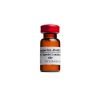
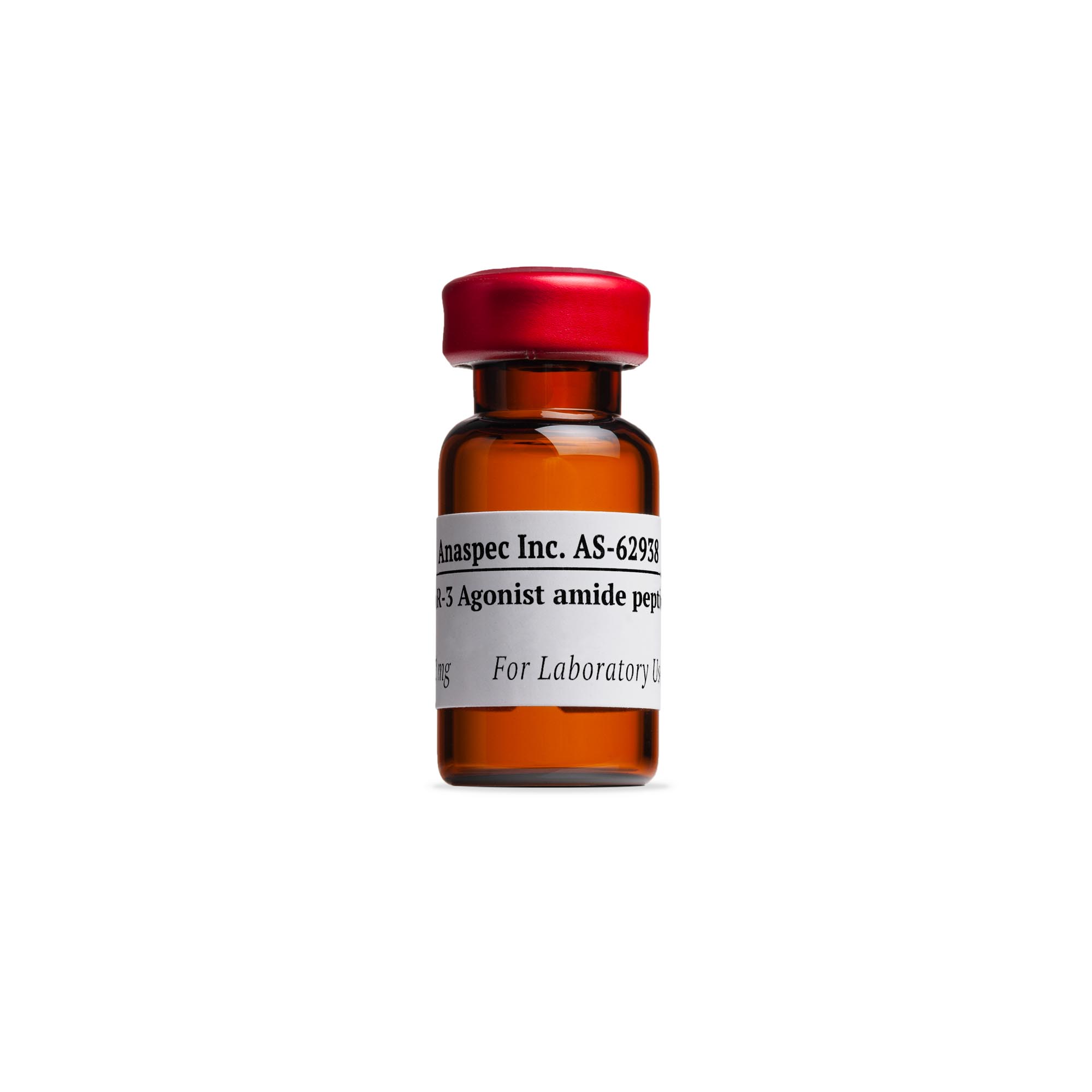
Protease-Activated Receptor-3, PAR-3 Agonist, amide – 1 mg
$97.00
Protease-Activated Receptor-3, PAR-3 Agonist, amide, high-affinity thrombin receptor. PAR-3 mRNA is expressed in the cutaneous mast cells of humans.
Overview
The Protease-Activated Receptor-3 (PAR-3) Agonist, amide, is a high-affinity thrombin receptor that plays a crucial role in various physiological responses. Found predominantly in the cutaneous mast cells of humans, PAR-3 mRNA expression indicates its significance in mediating interactions with thrombin. Unlike some of its counterparts, PAR-3 doesn’t induce itching by itself but may influence responses when acting alongside PAR-4. This unique property underlines its potential in research focusing on itch mechanisms and related pathways.
Key Features
- High-affinity agonist for thrombin receptor PAR-3
- Critical for studying skin-related physiological responses
- Supports research on itch mechanisms
- Provides insights into the co-expression with PAR-4
- Available in a convenient 1 mg format
Specifications
| Item | Description |
|---|---|
| Product Name | Protease-Activated Receptor-3 Agonist, amide |
| Concentration | 1 mg |
| Category | Peptides |
FAQ
What is the role of PAR-3 in research?
PAR-3 is significant for studying its interactions with thrombin and its involvement in physiological processes, particularly in relation to itch responses and mast cell functions.
How is this PAR-3 Agonist typically used?
This agonist is often utilized in laboratory settings to explore its effects on thrombin action and its interactions with other receptors, especially PAR-4.
Can this product help in itch-related studies?
Yes, while PAR-3 alone does not induce itch, it can influence itch mechanisms when studied in conjunction with PAR-4, making it valuable for itch-related research.
To complement your research on protease-activated receptors, consider our PKG Substrate or check out our range of peptides for other related products that may enhance your findings.
Related Products
Be the first to review “Protease-Activated Receptor-3, PAR-3 Agonist, amide – 1 mg”
Related products
Peptides
Peptides
Reviews
There are no reviews yet.