
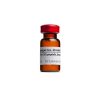
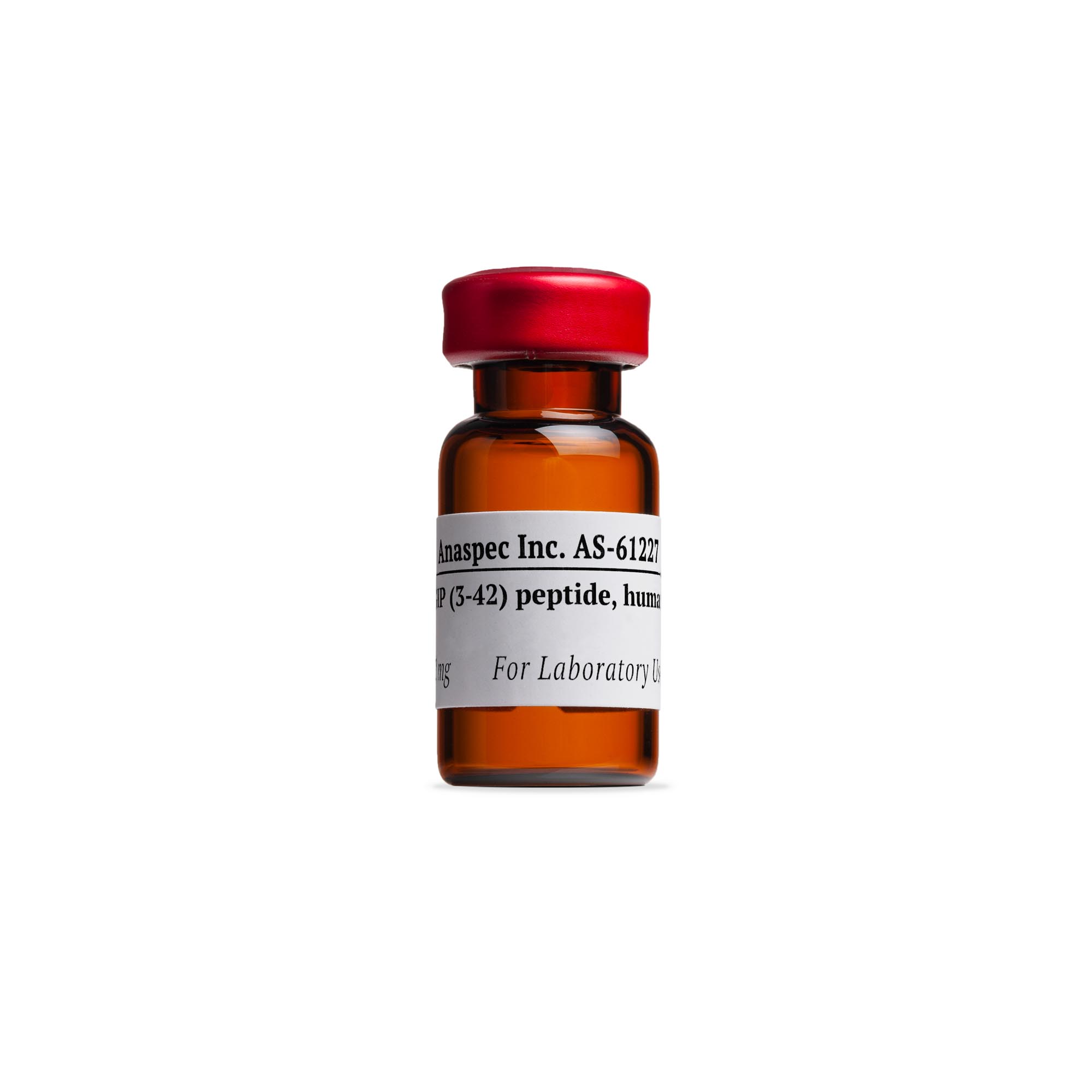
GIP (3-42), human – 1 mg
$431.00
GIP (3-42), Glucose-dependent Insulinotropic Polypeptide or also known as Gastric Inhibitory Polypeptide, potent antagonist of the GIP receptor.
Overview
GIP (3-42), also known as Glucose-dependent Insulinotropic Polypeptide, is a crucial peptide derived from positions 3 to 42 of the full 42-amino acid GIP. Unlike the full-length version, GIP (3-42) acts as a potent antagonist of the GIP receptor, primarily due to the in-vivo degradation of its initial two amino acids, Tyr and Ala, by dipeptidyl peptidase IV (DPP IV). This alteration significantly impacts its functionality, making it an essential tool for research into insulin regulation and metabolic disorders.
Key Features
- Derived from GIP amino acids 3-42
- Functions as a potent antagonist at the GIP receptor
- Ideal for studies related to glucose metabolism and insulin response
- Available in a 1 mg vial for precise research applications
Specifications
| Item | Details |
|---|---|
| Product Name | GIP (3-42), human |
| Quantity | 1 mg |
| Category | Peptides |
FAQ
What is the main use of GIP (3-42)?
GIP (3-42) is primarily used in research to understand its role as an antagonist in insulin signaling pathways and glucose metabolism. It helps to investigate the implications of GIP receptor activity under various physiological conditions.
How should GIP (3-42) be stored?
Store GIP (3-42) in a dry and cool environment, preferably at -20°C for long-term preservation. Ensure proper handling and avoid multiple freeze-thaw cycles to maintain its integrity.
Can GIP (3-42) be used in vivo?
While GIP (3-42) is designed for in vitro studies, some researchers may explore its potential applications in vivo. Consult relevant literature and existing studies for guidelines and best practices.
Discover more about our comprehensive range of peptidesincluding specialized options like PKG Substrate and Autocamtide-2. By integrating GIP (3-42) into your research, you can deepen your understanding of metabolic signaling pathways and potentially pave the way for new therapeutic strategies.
Related Products
Be the first to review “GIP (3-42), human – 1 mg”
Related products
Peptides
Peptides
Peptides
Reviews
There are no reviews yet.