
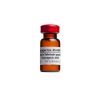
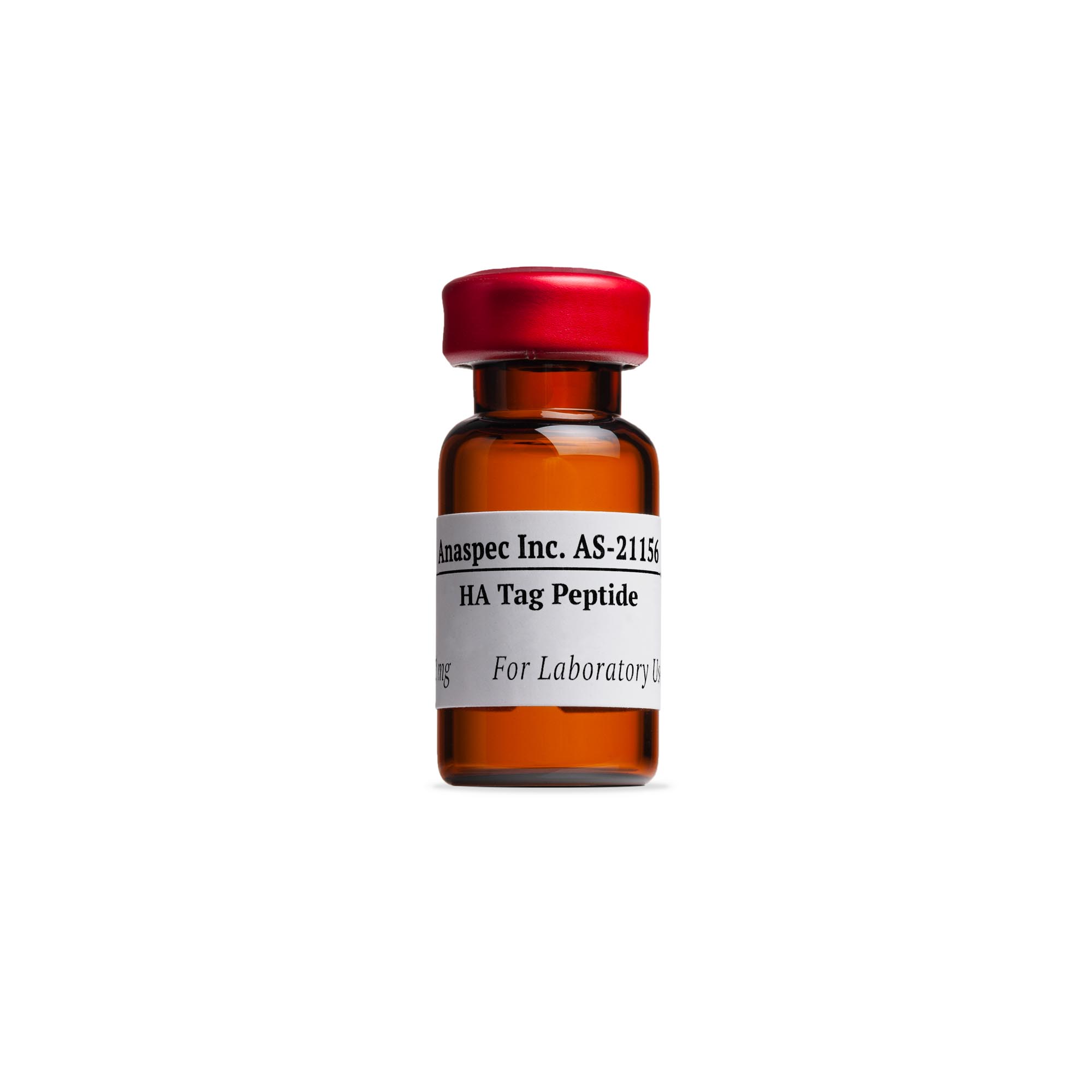
HA Tag
Price range: $78.00 through $261.00
Influenza hemagglutinin (HA) belongs to influenza hemagglutinin family, it is responsible for attaching virus to cell receptors and initiating infection.
Overview
The HA Tag peptide is an important tool for researchers who are working with proteins from the influenza hemagglutinin family. This peptide’s primary role is to facilitate the attachment of the influenza virus to cell receptors, thereby initiating the infection process. While its biological activity is primarily associated with viral functions, the HA tag is widely utilized as a generic epitope tag in expression vectors. Various recombinant proteins can be engineered to express the HA tag without negatively affecting their bioactivity or biodistribution, making it a frequent choice in protein research.
Key Features
- Derived from the influenza hemagglutinin family
- Used as a versatile epitope tag in expression vectors
- Compatible with a range of recombinant proteins
- Does not interfere with protein bioactivity or biodistribution
- Ideal for applications in protein labeling and detection
Specifications
| Property | Details |
|---|---|
| Product Name | HA Tag |
| Category | Peptides |
| Origin | Influenza Hemagglutinin |
| Usage | General epitope tag |
| Application | Protein expression and purification |
FAQ
What is the primary function of the HA Tag?
The HA Tag is primarily used as an epitope tag for recombinant proteins, facilitating their detection and purification in research applications.
Can the HA Tag affect protein function?
No, the HA tag is designed to not interfere with the biological activity or biodistribution of the proteins it labels.
Is the HA Tag suitable for apoptotic cell studies?
The HA tag is not recommended for detecting or purifying proteins from apoptotic cells due to its structural characteristics.
For high-efficiency protein expression, consider exploring other options like PKG Substrate or the Autocamtide-2 which are tailored for enhanced performance in various research settings. Additionally, if you’re looking for labeled peptides, check out our 5-FAM labeled CREBtide.
Browse more in Peptides.
| Size | 1 mg, 5 mg |
|---|
Be the first to review “HA Tag”
Related products
Peptides
Peptides
Reviews
There are no reviews yet.