
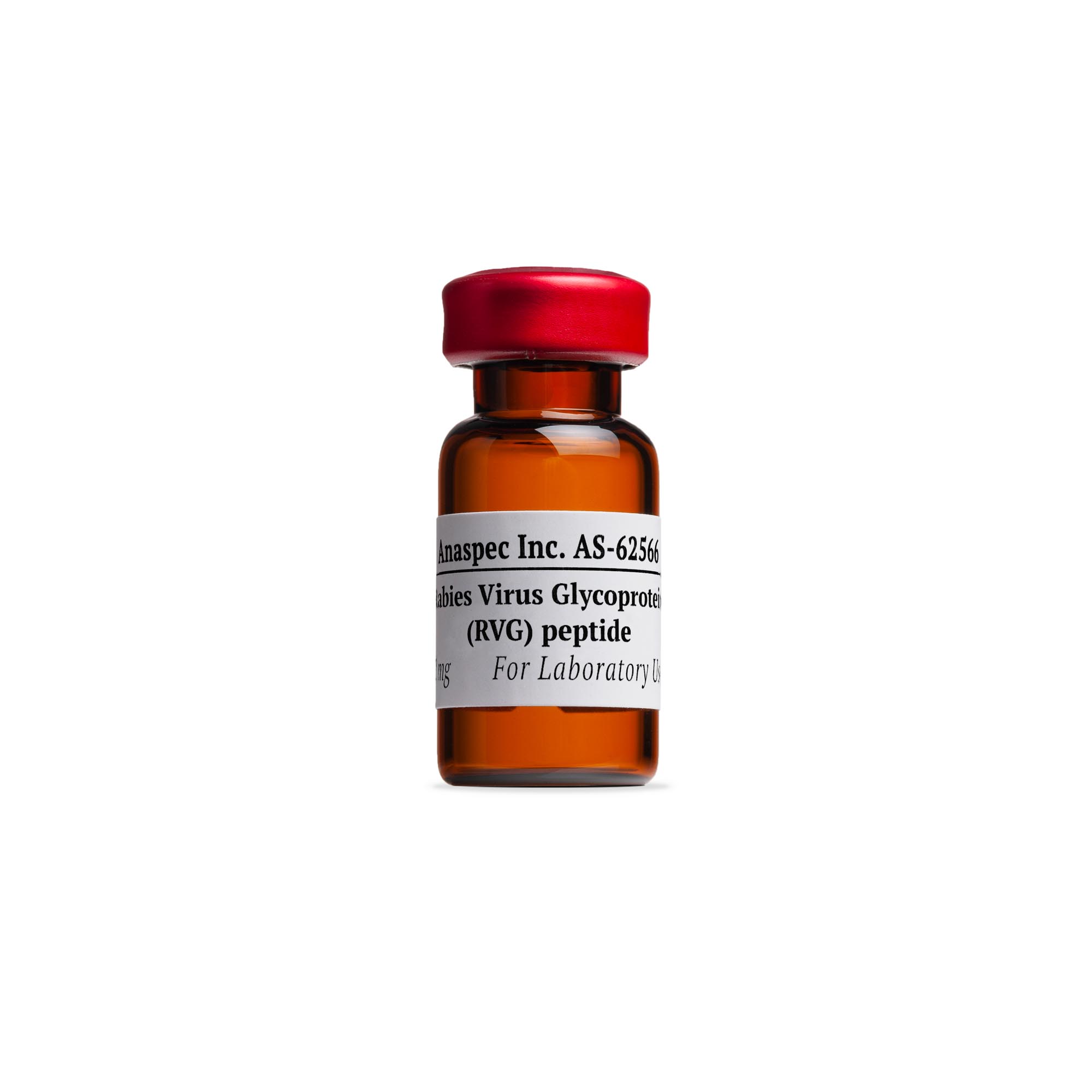
Rabies Virus Glycoprotein (RVG) – 1 mg
$305.00
Rabies Virus Glycoprotein (RVG) specifically binds to the acetylcholine receptor expressed by neuronal cells. Used deliver siRNA to the brain.
Overview
The Rabies Virus Glycoprotein (RVG) is a 29 amino acid peptide derived from the glycoprotein of the rabies virus. This unique peptide is especially effective due to its ability to specifically bind to the acetylcholine receptor found on neuronal cells. If your research focuses on neuronal transport mechanisms or the delivery of small interfering RNA (siRNA) to the central nervous system (CNS), this peptide can play a critical role in your work.
Key Features
- 29 amino acid peptide
- Specifically binds to neuronal acetylcholine receptors
- Facilitates targeted siRNA delivery to the brain
- Ideal for neurological studies and experiments
Specifications
| Property | Details |
|---|---|
| Product Name | Rabies Virus Glycoprotein (RVG) |
| Concentration | 1 mg |
| Amino Acid Sequence | Derived from rabies virus glycoprotein |
FAQ
How does RVG facilitate siRNA delivery?
RVG binds to acetylcholine receptors on neuronal cells, allowing for the efficient uptake of siRNA, making it an essential tool for studies involving gene silencing in the CNS.
Can I use RVG with other peptides?
Yes, RVG can be combined with various peptides, such as Autocamtide-2 and CREBtideto enhance your experimental outcomes.
Is RVG safe to use in vivo?
When used under proper laboratory conditions and protocols, RVG is generally considered safe for in vivo applications aimed at targeting neuronal pathways.
By incorporating the Rabies Virus Glycoprotein into your research, you can explore new pathways for siRNA delivery and further understand neuronal behavior. Don’t miss the opportunity to enhance your studies with this remarkable peptide. Shop our full range of peptides today.
Related Products
Be the first to review “Rabies Virus Glycoprotein (RVG) – 1 mg”
Related products
Peptides
Peptides
Reviews
There are no reviews yet.