
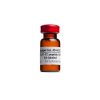
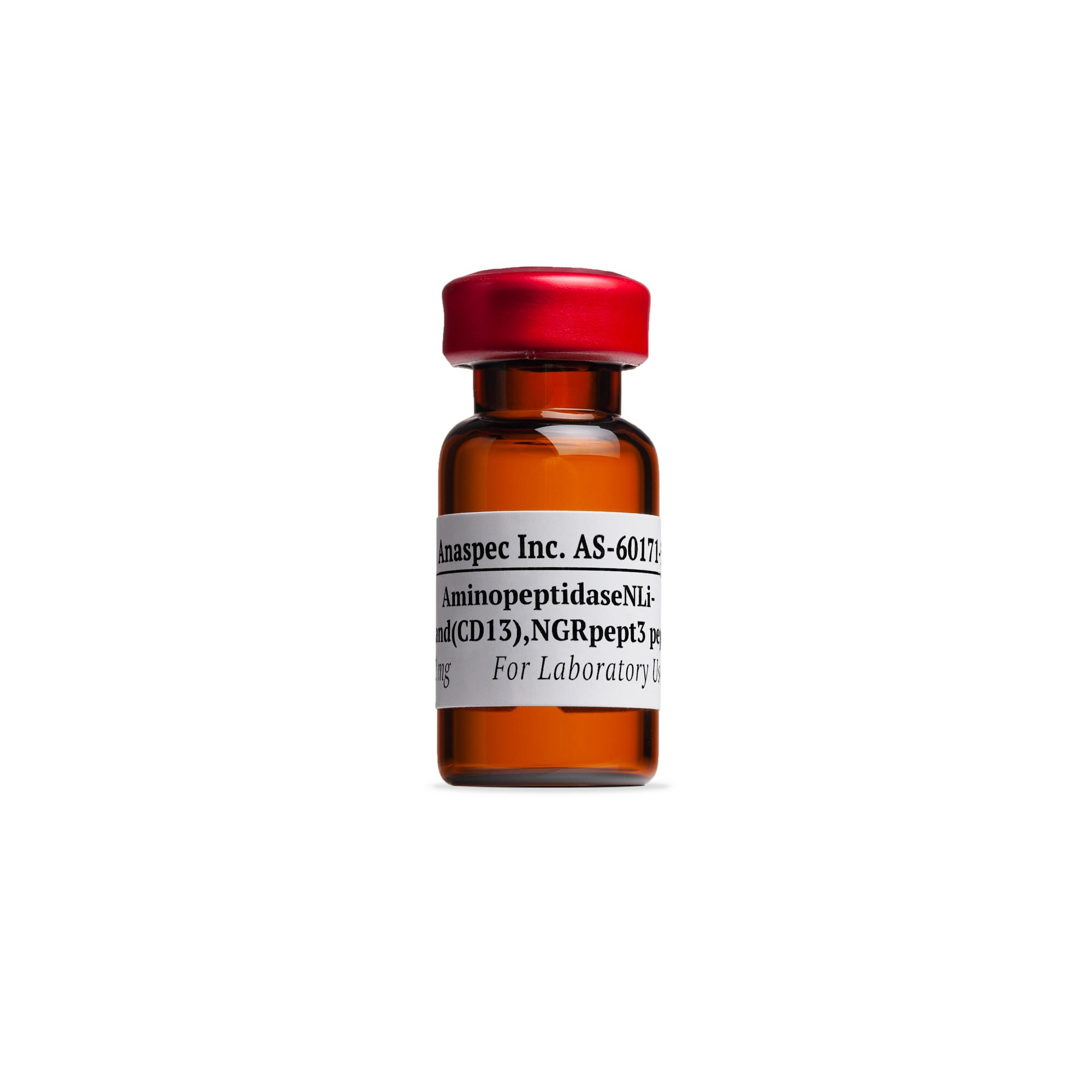
Aminopeptidase N Ligand (CD13), NGR peptide – 5 mg
$660.00
Aminopeptidase N Ligand (CD13), NGR (Asn-Gly-Arg) peptide motif is an aminopeptidase N (CD13) ligand that targets angiogenic blood vessels.
Overview
The Aminopeptidase N Ligand (CD13) NGR peptide offers a precise solution for targeting angiogenic blood vessels. The NGR (Asn-Gly-Arg) peptide motif is a well-characterized ligand recognized for its ability to bind to aminopeptidase N (CD13), making it an essential tool in cancer research and therapeutic applications. This peptide is not just a research compound; it’s an integral part of novel drug delivery systems that aim to enhance the efficacy of treatments against tumors by directing cytotoxic agents to the vasculature of tumors.
Key Features
- Specific targeting of angiogenic blood vessels via the NGR peptide motif.
- Facilitates the delivery of cytotoxic drugs and pro-apoptotic peptides.
- Useful for tumor necrosis factor (TNF) targeting.
- 5 mg quantity for optimal experimental use.
- Available as part of our extensive selection of peptides.
Specifications
| Product Name | Aminopeptidase N Ligand (CD13), NGR peptide |
| CAS Number | Not applicable |
| Quantity | 5 mg |
| Category | Peptides |
| Target | Aminoacyl aminopeptidase |
FAQ
What is the mechanism of action of the NGR peptide?
The NGR peptide targets CD13, a receptor on endothelial cells that is upregulated in angiogenesis, allowing for targeted delivery of therapeutic agents.
Can this peptide be used in vivo?
Yes, the NGR peptide has applications in vivo for drug delivery targeting tumors, enhancing the therapeutic effectiveness of various agents.
Are there other peptides available for research?
Absolutely! Check out our range of peptides, including options like PKG Substrate and Autocamtide-2 for various experimental needs.
Explore more about peptides and expand your research potential by visiting our dedicated section on peptides. Whether you’re studying cancer biology or developing treatment strategies, our Aminopeptidase N Ligand (CD13), NGR peptide is a reliable and effective choice for your laboratory work.
Related Products
Be the first to review “Aminopeptidase N Ligand (CD13), NGR peptide – 5 mg”
Related products
Peptides
Peptides
Reviews
There are no reviews yet.