
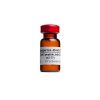
C3a (70-77) – 1 mg
$61.00
C3a (70-77) is C-terminal fragment of the C3a anaphylatoxin peptide, causes contraction of ileum and uterus, release of vasoactive amines from mast cells.
Overview
C3a (70-77) is a powerful peptide with significant biological implications. This specific octapeptide is derived from the C-terminal fragment of the C3a anaphylatoxin peptide, known for its role in various physiological responses. It exhibits about 1-2% of the biological activities of full-length C3a, making it a valuable tool in biological and medical research. You can purchase C3a (70-77) in a convenient 1 mg vial, ideal for laboratory use.
Key Features
- Derived from the C3a anaphylatoxin peptide
- Causes contraction of rodent ileum and uterus
- Stimulates the release of vasoactive amines from mast cells
- Increases vascular permeability in guinea pig and human skin
- Interacts directly with human lymphocytes
Specifications
| Product Name | C3a (70-77) |
| Product Type | Peptide |
| Quantity | 1 mg |
FAQ
What are the primary applications of C3a (70-77)?
C3a (70-77) is primarily used in research related to immune responses, particularly in studies investigating its effects on smooth muscle contraction and mast cell activation. Its capacity to trigger these responses makes it a critical component for understanding inflammatory processes.
How should C3a (70-77) be stored?
For optimal stability, store C3a (70-77) at -20°C. Avoid repeated freeze-thaw cycles to maintain its integrity.
Can C3a (70-77) be used in vivo?
While C3a (70-77) has demonstrated biological activity, in vivo applications should be approached with caution and under appropriate ethical guidelines. Always consult relevant literature and protocols for your specific research context.
Explore additional peptide options such as PKG Substratedesigned for various research needs, or consider Autocamtide-2 for your experiments. Don’t forget to browse our full selection of peptides for more valuable research materials.
Related Products
Be the first to review “C3a (70-77) – 1 mg”
Related products
Peptides
Peptides
Peptides
Peptides
Reviews
There are no reviews yet.